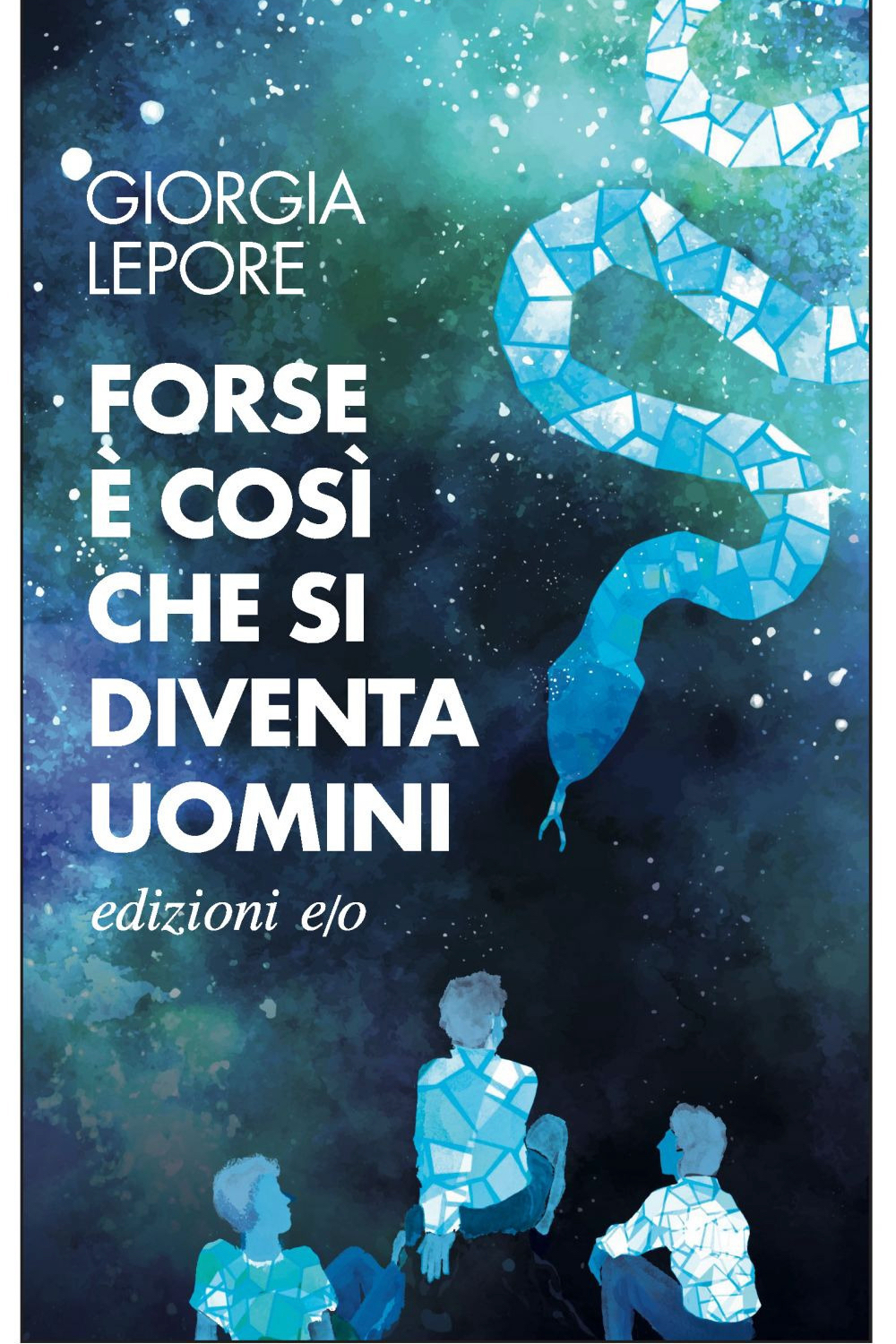
FORSE È COSÌ CHE SI DIVENTA UOMINI

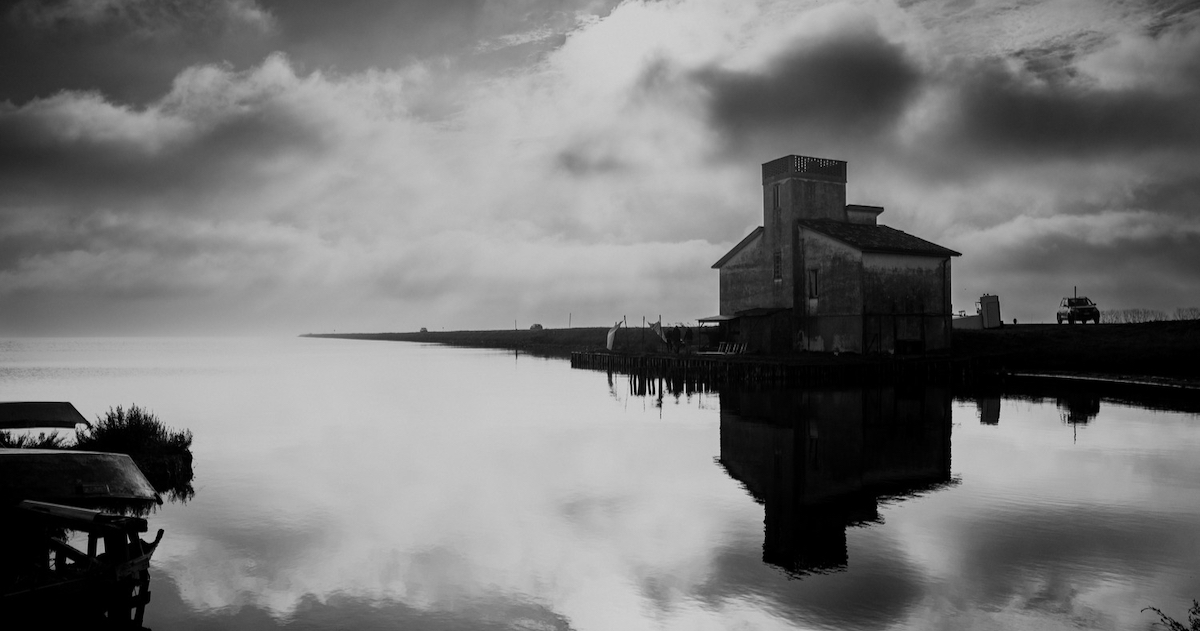
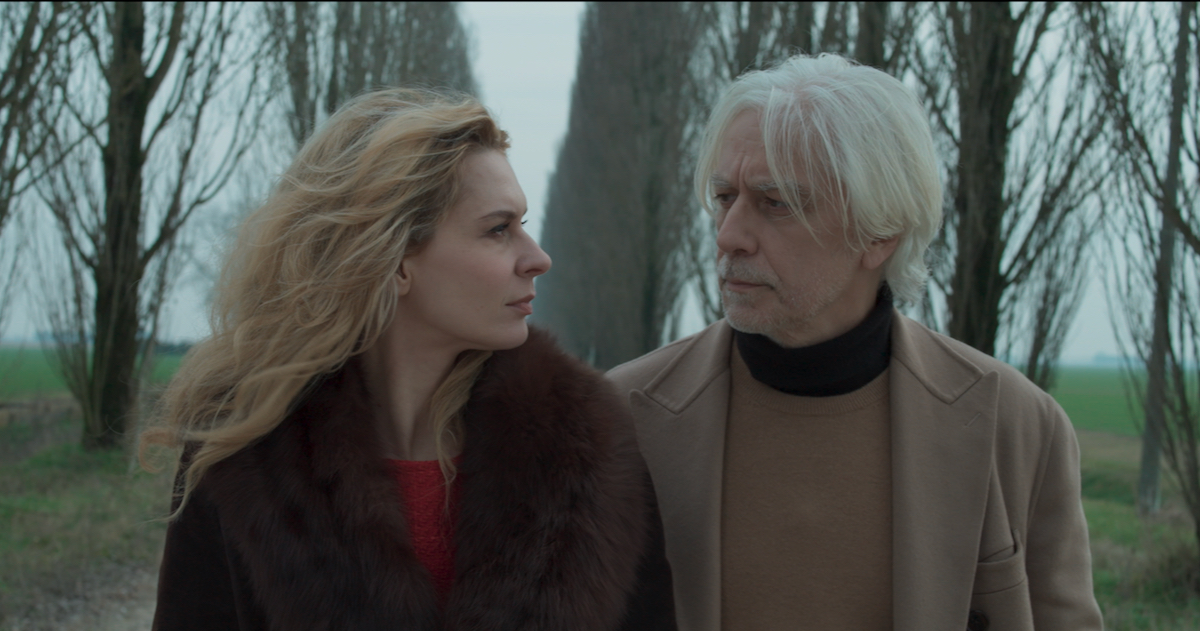
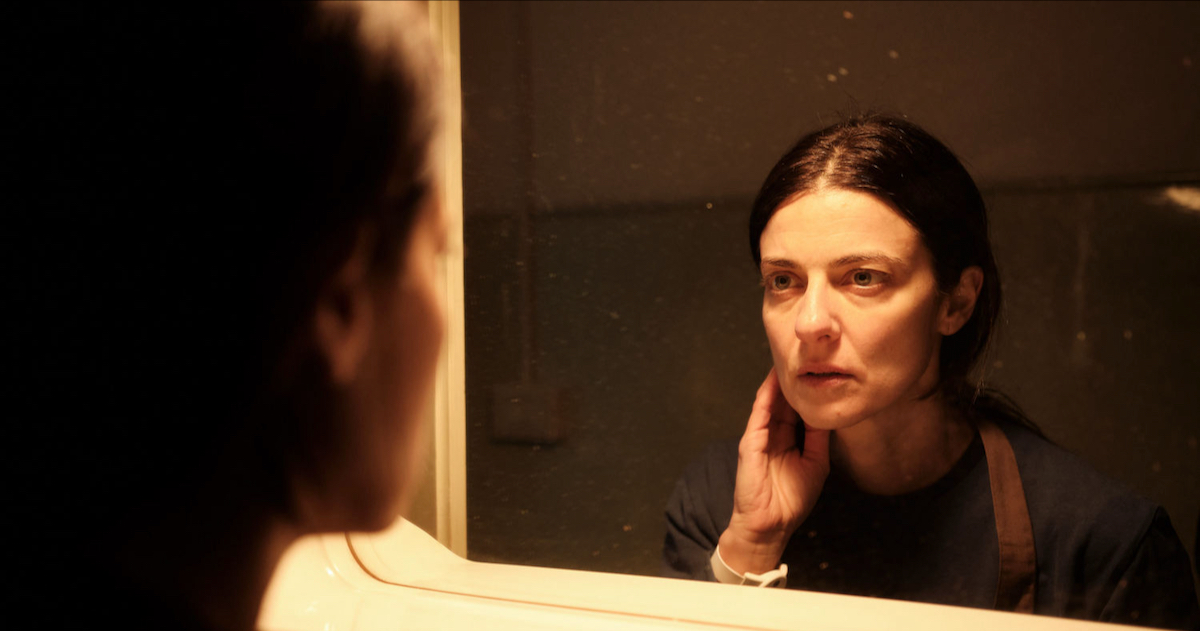
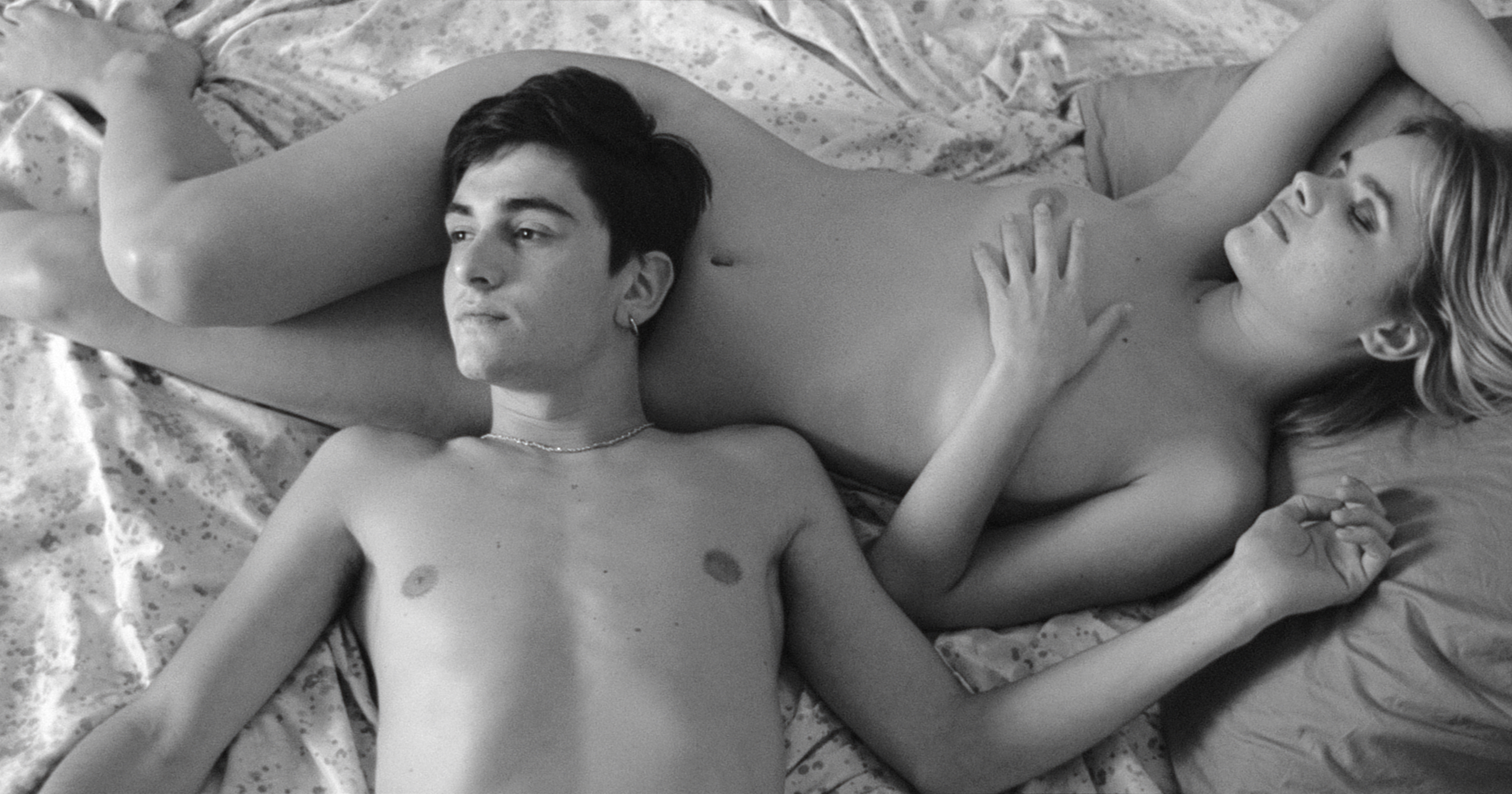
In a cave chapel on the outskirts of Bari, a body is found: a middle-aged male, lying face up in front of the apse, impeccably dressed. A snake on top of the body is dead as well. The Bari 3 crime squad arrives on the scene and the CSIs get to work. Conspicuous by his absence, Inspector Gerri Esposito has taken two personal days – almost unheard of, for him – to attend to some pressing business of his own. When he returns to the office, they are all grasping at straws, the victim as yet not ID’d and the investigation going nowhere fast. Meanwhile, Gerri has to grapple with his own past, which keeps coming back to haunt him from the inner recesses of his psyche, where he has desperately tried to lock it away. Giorgia Lepore is an archaeologist and art historian who lives in Martina Franca and teaches art history to high schoolers in Fasano. She wrote her first novel, L’abitudine al sangue (Fazi), in 2009. In 2015, E/O published her first novel featuring Inspector Gerri Esposito, I figli sono pezzi di cuore. Now the fourth installment in that series, Forse è così che si diventa uomini was preceded by Angelo che sei il mio custode (2016, Mariano Romiti Prize) and Il compimento è la pioggia (2018). Starting this year, Inspector Esposito’s investigations have become a TV series: Gerri, directed by Giuseppe Bonito, written by Donatella Diamanti and Sofia Assirelli, and airing on Raiuno.
FORSE È COSÌ CHE SI DIVENTA UOMINI2025-11-24T21:51:40+01:00

MANI NUDE

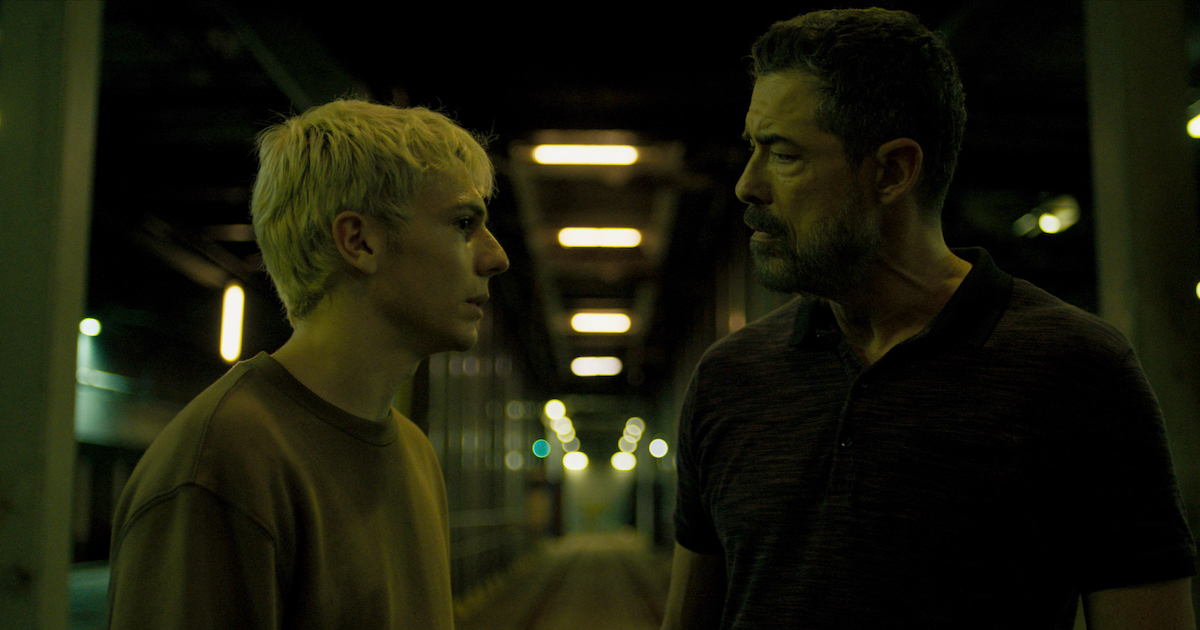
Davide, a nice boy from a good family, younger and more naïve than he looks, is kidnapped one night and locked in the back of a truck, in the dark. He ends up a prisoner of a mysterious organization that forces him to engage with opponents in extreme hand-to-hand combat which is illegal, considering that the rounds fatally conclude with the death of one of the two fighters. To survive, Davide needs to strip himself of his humanity, following the instructions of his jailer, Minuto, who trains others like him with no hope of a future. Little by little, however, a secret bond forms between the boy and the man, which could well be his only way out of the situation he finds himself in. Yet escape from that prison will not mean that he’ll be able to escape his fate or the consequences of his actions. based on the novel of the same name by Paola Barbato (R.C.S.) screenplay Davide Lisino Mauro Mancini cinematography Sandro Chessa editing Gianluca Scarpa music Dardust production design Stefano Giambanco costumes Camilla Giuliani cast Alessandro Gassmann (Minuto) Francesco Gheghi (Davide) Fotinì Peluso (Eva) Paolo Madonna (Puma) Giordana Marengo (Giulia) Renato Carpentieri (Amato) producers Giuseppe Saccà Agostino Saccà Mario Mazzarotto productions Eagle Original Content Pepito Produzioni Movimento Film with Rai Cinema Italian distribution Medusa Film info@medusa.it www.medusa.it Mauro Mancini is a multi-award-winning director, screenwriter, and photographer. Over the course of his career, he has directed dozens of short films, commercials, music videos and TV series. Thou Shalt Not Hate, his first feature film, competed in the International Critics’ Week at Venice and was selected for numerous festivals, garnering several prizes as well as nominations that include Best New Director at the David di Donatello and Silver Ribbon awards. Mani nude is Mancini’s second feature film. 2024 Mani nude 2022 Mio figlio (short) 2021 A occhi aperti (short) 2020 Non odiare 2006 Il nostro segreto (short)  

MANI NUDE2025-11-24T21:38:27+01:00

LA VALLE DEI SORRISI

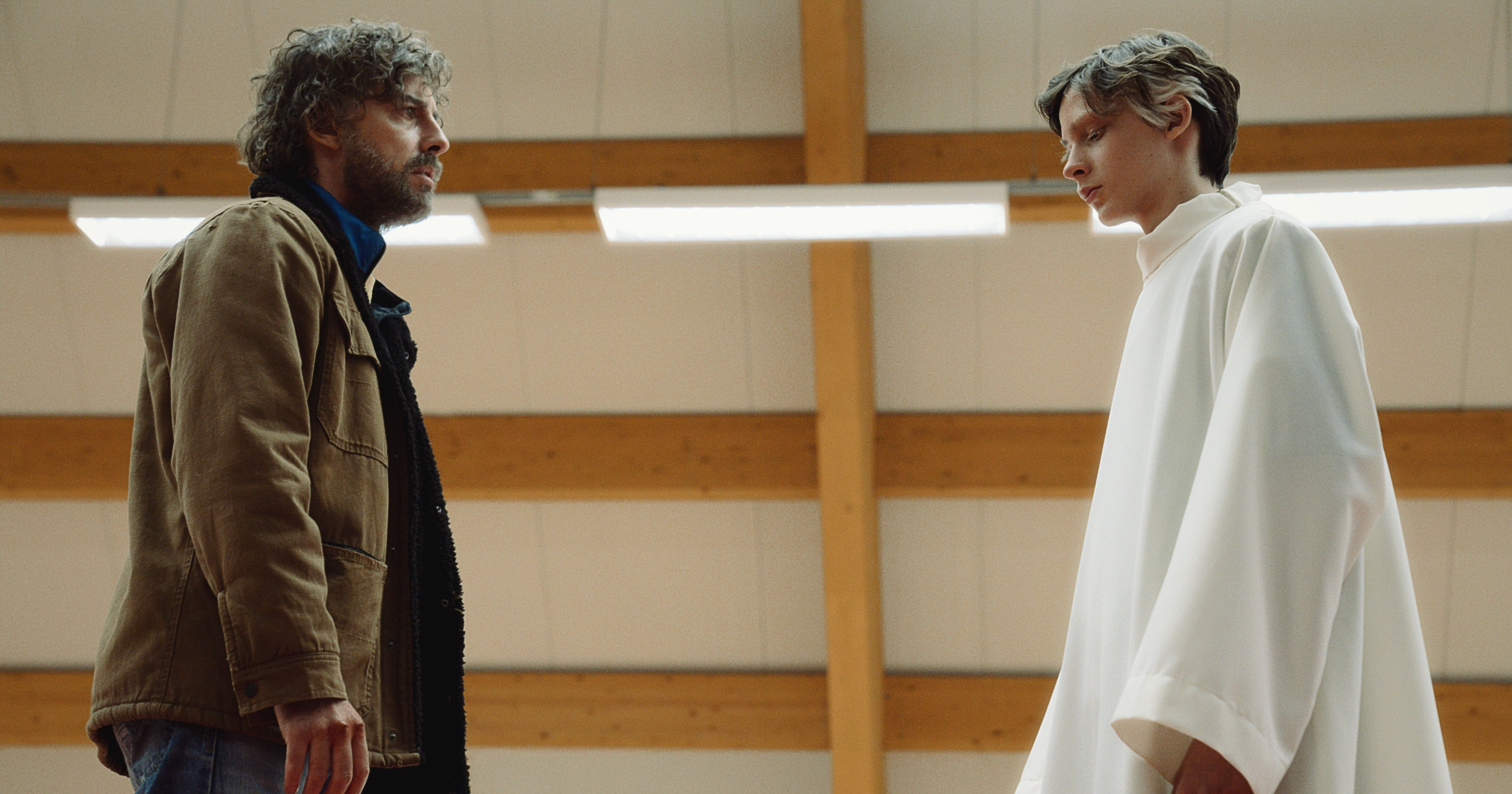
Remis is an Alpine village nestled in an isolated valley, and its inhabitants are all unusually upbeat. It would seem to be the perfect place to relocate for the new physical education teacher, Sergio Rossetti, tormented by a mysterious past. Thanks to his encounter with Michela, the young manager of the town’s bar, the teacher learns that this apparent beatitude conceals an unsettling ritual. One night a week, the locals all meet for a collective embrace – and they are hugging Matteo Corbin, a teenager known to be a healer, who absorbs other people’s pain. Sergio’s attempt to save the boy will awaken the darkest side of the kid everyone calls the “angel of Remis.” screenplay Jacopo Del Giudice Paolo Strippoli Milo Tissone cinematography Cristiano Di Nicola editing Federico Palmerini music Federico Bisozzi Davide Tomat production design Marcello Di Carlo costumes Susanna Mastroianni cast Michele Riondino (Sergio Rossetti) Giulio Feltri (Matteo Corbin) Paolo Pierobon (Mauro Corbin) Romana Maggiora Vergano (Michela) Sergio Romano (Pichler) Anna Bellato (Anna) Sandra Toffolatti (Elisabetta Gengo) Gabriele Benedetti (Franco) Diego Nardini (Lorenzo Berni) Roberto Citran (Don Attilio) executive producers Ivan Fiorini Attilio Moro producers Domenico Procacci Laura Paolucci Ines Vasilevic Stefano Sardo co-producers Jožko Rutar Miha Černec productions Fandango Vision Distribution Nightswim with Spok in collaboration with Sky world sales Fandango Sales www.fandango.it/sales Italian distribution Vision Distribution info@visiondistribution.it www.visiondistribution.it Paolo Strippoli received a degree in directing from Rome’s Centro Sperimentale di Cinematografia, after earning his first, in the performing arts, at Sapienza University. In 2019, he won the Franco Solinas Award for Best Original Story for the film L’angelo infelice, co-written with Jacopo del Giudice and Milo Tissone. In 2020, he co-directed, with Roberto De Feo, the Netflix original film A Classic Horror Story, winner of the Best Director Award at Taormina. Strippoli’s second feature came out in 2022: the psychological horror flick Flowing, which competed at the Sitges Film Festival, Austin Fantastic Fest, and Alice nella Città. 2025 La valle dei sorrisi 2022 Piove 2021 A Classic Horror Story (directed with Roberto De Feo) 2019 Senza tenere premuto (short) 2018 Nessun dorma (short) 2018 Storia triste di un pugile scemo (short) 2017 Fine d’estate (short) 2016 Bassa stagione (short) 2015 Mio fratello (short) 2015 Fusa (short) 2015 Creme Aigre (short) 2015 Y Generation (short) 2014 Dimmi cosa senti (short) 2012 In un mondo violento (short)

LA VALLE DEI SORRISI2025-11-24T21:38:05+01:00

L’ORTO AMERICANO out of competition

Bologna, just after the Nazi occupation has ended and the city has been freed. A troubled young man has gazed upon a beautiful woman soldier: one look, and he is convinced that she is the love of his life. A year later, completely by chance, he goes to live in the American Midwest, in the house next door to her, separated from hers by a rather sinister backyard. Here lives the woman’s elderly mother who is distraught over her daughter’s disappearance at war’s end, after writing that she would be marrying an Italian, then falling silent. The young man now sets off on a search that is highly suspenseful, all the way to a quite unexpected denouement in Italy. based on the novel of the same name by Pupi Avati (Solferino, 2024) screenplay Pupi Avati Tommaso Avati cinematography Cesare Bastelli editing Ivan Zuccon production design Biagio Fersini costumes Beatrice Giannini sound Pompeo Iaquone cast Filippo Scotti (Him) Roberto De Francesco (Emilio) Armando De Ceccon (Glauco) Chiara Caselli (Doris) Rita Tushingham (Flora) Massimo Bonetti (Judge) Morena Gentile (Arianna) Mildred Gustafsson (Barbara) Romano Reggiani (P.M.) producers Antonio Avati Gianluca Curti Santo Versace productions DUEA Film Minerva Pictures with Rai Cinema Italian distribution 01 Distribution annalisa.paolicchi@raicinema.it www.01distribution.it Pupi Avati, while studying political science at college, also played the clarinet in the Rheno Jazz Band, which would tour all over Europe and go on to triumph at the European Jazz Festival in Antibes. He was also introduced to filmmaking at the same time. In 1968, Avati succeeded in finding funding for his first feature film, Balsamus, and since then, he has made over fifty films, several television programs, and a series of TV commercials. In parallel, he has collaborated on the screenplays of a number of films, including Pierpaolo Pasolini’s Salò. With his brother Antonio, the head of DUEA Film, he has made it possible for many young Italian directors to break into film. Filmografia selezionata 2024 L'orto americano 2023 La quattordicesima domenica del tempo ordinario 2010 Una sconfinata giovinezza 2005 Ma quando arrivano le ragazze?   1997 Il testimone dello sposo 1993 Magnificat 1991 Bix 1986 Regalo di Natale 1985 Festa di laurea 1985 Impiegati 1983 Una gita scolastica 1983 Zeder 1976 La casa dalle finestre che ridono 1968 Balsamus, l'uomo di Satana

L’ORTO AMERICANO out of competition2025-11-24T21:37:44+01:00

L’ISOLA DEGLI IDEALISTI

It’s a cold night in January when two young thieves, Beatrice Navi and Guido Cenere, appear on an island, are surprised by the custodian, Giovanni Marengadi, and a Dobermann, Pangloss, and are taken to the owners of the luxurious villa in the middle of the island, called “delle Ginestre”. An odd family, the Reffis, live in the villa. Antonio, the paterfamilias, is a former orchestra conductor with an ironic take on life and, above all, the lives of his two restless children: Carla is a successful author, waiting to hear from her publisher about her next novel; while Celestino is a former doctor enamored of philosophy and mathematics. He’s a man with a past, obsessed with a violinist who has left him with super 8 pictures from long ago. The villa also has a poker-faced governess, Jole, and her husband Vittorio, Carla’s secretary. Celestino Reffi proposes a pact with the two kids on the run – from what, no one knows. He won’t report them, he’ll hide them from police commissioner Càrrua, hot on their trail. In exchange, they must take a sort of “class in education,” which Celestino is sure will “change their lives.” But what will really change everyone’s fates is the arrival of the two outlaws at the villa wreathed in fog and surrounded by water. based on the novel of the same name by Giorgio Scerbanenco (La nave di Teseo, 2018) screenplay Eugenio Lio Elisabetta Sgarbi cinematography Andres Arce Maldonado editing Andres Arce Maldonado Elisabetta Sgarbi music Michele Braga New Emergency Italy production design Monica Sallustio costumes Gaia Calderone drawings Manuele Fior Giovanni Iudice cast Tommaso Ragno (Celestino Reffi) Elena Radonicich (Beatrice Navi) Renato De Simone (Guido Cenere) Michela Cescon (Carla Reffi) Renato Carpentieri (Antonio Reffi) Tony Laudadio (Giovanni Marengadi) Mimmo Borrelli (Vittorio) Vincenzo Nemolato (Commissioner Càrrua) Chiara Caselli (Jole) Antonio Rezza (Monsiù) Rossella De Martino (Teresa) Hildegard De Stefano (Lara) productions Bibi Film Betty Wrong with Rai Cinema producer Angelo Barbagallo Italian distribution Fandango Distribuzione fandango@fandango.it www.fandango.it After obtaining a degree in pharmacy, Elisabetta Sgarbi went into publishing, working first at the Studio Tesi and then at the publishing house Bompiani. After twenty-five years as editor and editorial director at the latter, in November 2015 she founded, along with other authors and editors such as Umberto Eco, Mario Andreose, and Eugenio Lio, La nave di Teseo Editore, serving as general director and editorial director. Sgarbi is the president of Baldini+Castoldi, La Tartaruga, and Oblomov Edizioni, as well as managing director of the magazine Linus. She founded the La Milanesiana Festival and the Linus Comics Festival, now in its third year, and is the artistic director of both. Since 1999, she has directed and produced her own films, which have made the rounds of the leading international festivals.

L’ISOLA DEGLI IDEALISTI2025-11-24T21:37:29+01:00

ELISA

Elisa, age thirty-five, has been in prison for ten years, convicted of killing her older sister and burning her body, and for no apparent reason. She claims to remember little or nothing of the crime; it’s as if she’s erected a wall of silence between herself and her past. But when she decides to meet with a criminologist, Alaoui, and take part in his research, during the tense, unrelenting dialogue between the two the memories take shape, Elisa painfully acknowledges her guilt in full and glimpses a possible first step towards redemption. freely inspired by the essay Io volevo ucciderla (Raffaello Cortina Editore) by Adolfo Ceretti and Lorenzo Natali screenplay Leonardo Di Costanzo Bruno Oliviero Valia Santella cinematography Luca Bigazzi editing Carlotta Cristiani production design Luca Servino costumes Bettina Pontiggia music Giorgio Matteo Aki Oliviero cast Barbara Ronchi (Elisa) Roschdy Zem (Alaoui) Diego Ribon (Padre) Valeria Golino (Laura) Giorgio Montanini (Radice) Hippolyte Girardot (Director) Monica Codena (Mother) Roberta Da Soller (Katia) production tempesta with Rai Cinema co-production Amka Films Productions producers Carlo Cresto-Dina Manuela Melissano co-producers Michela Pini Amel Soudani world sales Rai Cinema International Distribution fulvio.firrito@raicinema.it www.raicinemainternationaldistribution.com Italian distribution 01 Distribution soniapisana.dichter@raicinema.it www.01distribution.it Leonardo Di Costanzo studied ethno-anthropology at the University of Naples and then, in 1992, moved to Paris, where he built a solid career as a documentary filmmaker, winning an array of awards at numerous international festivals. His first narrative feature, The Interval, premiered at Venice and received the David di Donatello for Best New Director and the FIPRESCI Award. His second narrative feature, L'intrusa, was selected for the Directors’ Fortnight at Cannes. He contributed L'avamposto to the anthology film Bridges of Sarajevo, presented as a Special Screening at Cannes. In 2021, his film The Inner Cage premiered out of competition at Venice, winning two David di Donatello awards and named Film of the Year by critics (SNCCI). His 2023 short film Welcome to Paradise also screened out of competition at the Venice Film Festival. This year, Elisa bowed in the competition lineup at Venice. 2025 Elisa 2023 Welcome to Paradise (short) 2021 Ariaferma 2017 L'intrusa 2014 L'avamposto (episode of the collective film I ponti di Sarajevo) 2012 L’intervallo 2011 Cadenza d’inganno (doc) 2006 Odessa (doc, directed with Bruno Oliviero) 2003 A scuola (doc) 1999 Prove di stato (doc)

ELISA2025-11-24T21:37:19+01:00

CIAO BAMBINO

At the end of the summer when he is nineteen, Attilio, who lives in a working-class neighborhood in Naples, is hired to provide protection for a young sex worker from Eastern Europe. Although he can’t admit it, he falls in love with her. When his own father gets out of jail and is forced to pay off a huge debt, Attilio has to choose between his love for the girl and his love of his father, risking his freedom and his entire life up to that point. screenplay Ivan Ferone Edgardo Pistone cinematography Rosario Cammarota editing Giogiò Franchini music K-Conjog production design Marcella Mosca costumes Antonella Mignogna cast Marco Adamo Anastasia Kaletchuk Luciano Pistone Pasquale Esposito Salvatore Pelliccia Sergio Minucci Luciano Gigante Attilio Peluso Antonio Cirillo Rosalia Zinno productions Bronx Film Anemone Film Mosaicon Film Minerva Pictures Group Italian distribution Minerva Pictures sales@minervapictures.com Edgardo Pistone (Naples, 1990) studied directing and photography at the Academy of Fine Arts in Naples. He has since worn many hats: as a writer, director, and photographer, and has a strong interest in education, working with several associations to bring cinema to the outskirts of his hometown, where he teaches kids the art of film. In 2019, Pistone was an AD on the film Selfie by Agostino Ferrente. Before he made his feature directorial debut with Ciao Bambino in 2024, he directed a number of short films, such as Le mosche (2020), which was selected for the International Critics’ Week and won the Best Director Award at the Sic@Sic short film showcase. 2024 Ciao Bambino 2020 Le mosche (short)   2017 Il viaggio premio (short) 2015 Melancholy Beach (short) 2013 Per un'ora d'amore (short)

CIAO BAMBINO2025-11-24T21:37:03+01:00

LA CITTÀ PROIBITA

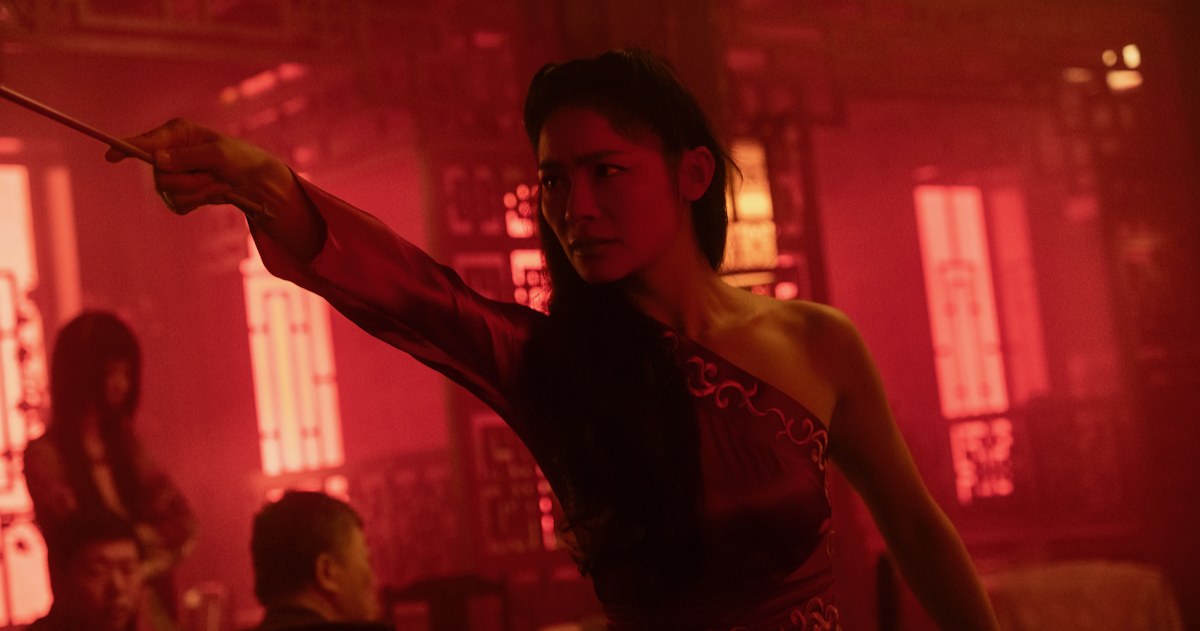
Mei, a mysterious young Chinese woman, arrives in Rome to look for her sister, who has disappeared. Marcello is a cook at his family’s restaurant, where he and his mother Lorena try to work off debts left by his father Alfredo, who has gone off with another woman. When their paths cross, Mei and Marcello combat deep-rooted cultural biases and sworn enemies, in a battle in which vendetta and love go hand in hand. screenplay Stefano Bises Gabriele Mainetti Davide Serino cinematography Paolo Carnera editing Francesco Di Stefano music Fabio Amurri production design Andrea Castorina costumes Susanna Mastroianni cast Enrico Borello (Marcello) Yaxi Liu (Mei) Marco Giallini (Annibale) Sabrina Ferilli (Lorena) Chunyu Shanshan (Mr. Wang) Luca Zingaretti (Alfredo) executive producers Saverio Guarascio Mandela Quilici Gianluca Mizzi Claudio Falconi producer Sonia Rovai producers Mario Gianani Lorenzo Gangarossa productions Wildside PiperFilm Goon Films Italian distribution PiperFilm info@piper.film www.piper.film Gabriele Mainetti is a director, actor, composer, and film producer. After making the short films Basette and Tiger Boy, the latter shortlisted for the Academy Awards’ Live Action Short Film prize, in 2015 he directed and produced They Call Me Jeeg with his Goon Films. The title garnered seven David di Donatello awards, two Silver Ribbons, four Ciak d’Oro prizes, and the Globo d’Oro, among many others. In 2021, Mainetti directed and produced Freaks Out. This time, as well, after its premiere in competition at the Venice Film Festival, the film went on to receive an array of awards, including six David di Donatellos, three Silver Ribbons, and the Audience Award at the Rotterdam Festival. La città proibita is his third feature film. 2025 La città proibita 2021 Freaks Out 2015 Lo chiamavano Jeeg Robot   2012 Tiger Boy (short) 2006 Basette (short)  

LA CITTÀ PROIBITA2025-11-24T21:37:54+01:00

TENSHI NO TAMAGO

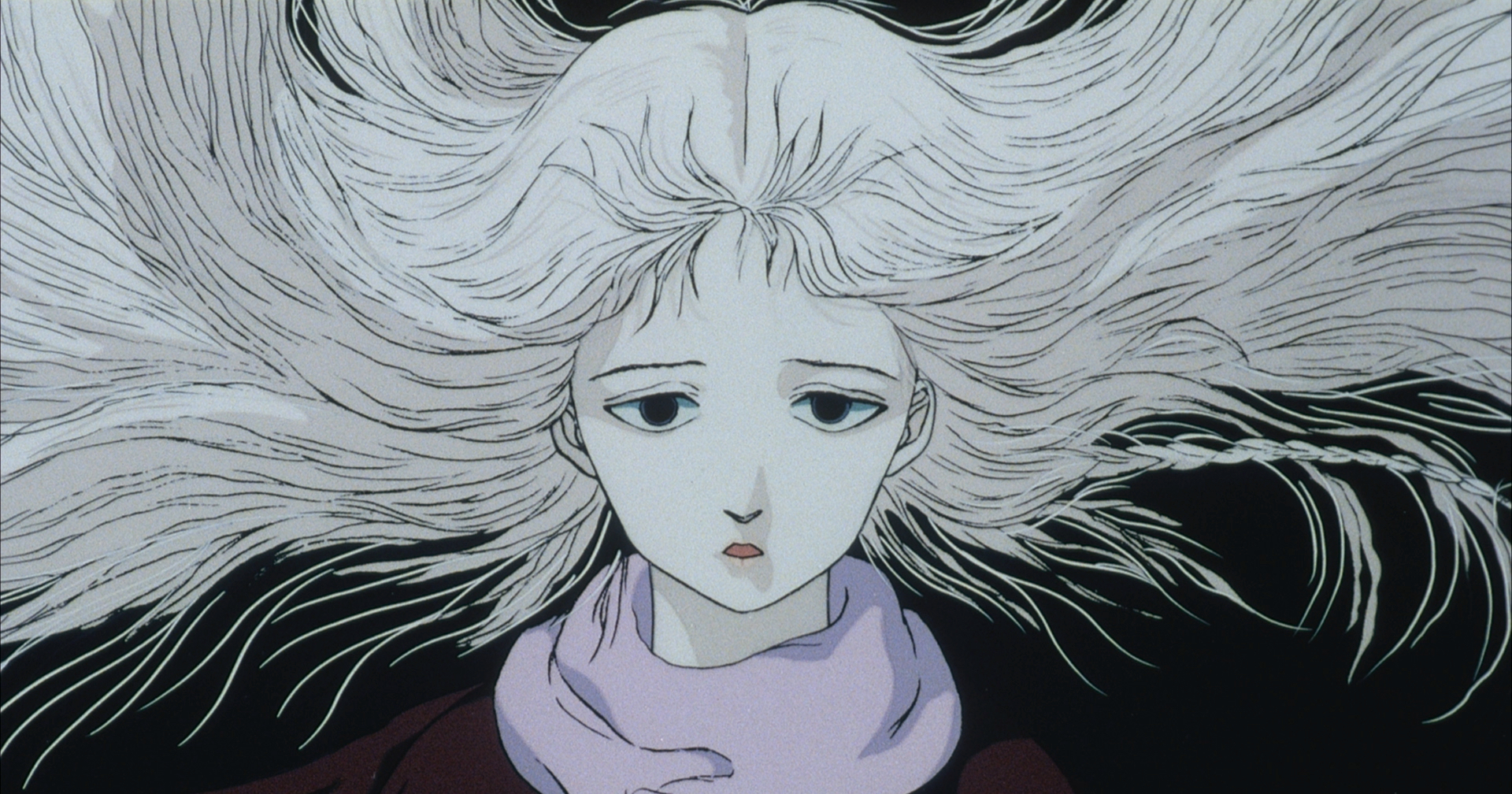
In a submerged city, a young girl continues to care for a large egg that she holds preciously in her arms. She believes it is the egg of an angel. A boy with a huge gun alights from a peculiar chariot. He is in search of the bird he saw in his dream. In an abandoned city, it seems as if a faint sense of sympathy has developed between the two, however one night, the boy crushes the girl's egg. screenplay Mamoru Oshii cinematography Juro Sugimura editing Seiji Morita animation director Yasuhiro Nakura artistic director Yoshitaka Amano music Yoshihiro Kanno sound Shigeharu Shiba   cast Mako Hyodo (Ragazza) Jinpachi Nezu (Ragazzo) producers Tatsumi Yamashita Hideo Ogata executive producer Yasuyoshi Tokuma co-producers Koki Miura Yutaka Wada Masao Kobayashi Hiroshi Hasegawa production Tokuma Shoten 4K Restoration supervisor Mamoru Oshii colorist Noboru Yamaguchi mix supervisor Kazuhiro Wakabayashi sound effects restoration Kaori Yamada digital restoration Yoko Arai Kensuke Nakamura Eiji Yamataka Tajima Onodera producers Eijiro Goto Yasuko Kumashiro world sales Goodfellas Animation jbressand@goodfellas.film www.goodfellas.film Italian distribution Lucky Red a.tieri@luckyred.it www.luckyred.it Mamoru Oshii is a Japanese filmmaker, director, and screenwriter. Famous for his philosophy-oriented storytelling, Oshii has directed many popular anime, including Urusei Yatsura (1981-1984), Angel's Egg (1985), Patlabor: The Movie (1989), Ghost in the Shell (1995). Ghost in the Shell 2: Innocence (2004) was selected at the Cannes Film Festival and The Sky Crawlers (2008) at the Venice Film Festival. His numerous animated and live-action films have had a major impact on filmmaker James Cameron and others at home and abroad. 2016, he received the Windsor McCay Award. Selected filmography 2022 Chii Tomodachi 2015 Tôkyô Mukokuseki Shôjo 2015 The Next Generation Patoreibâ: Shuto kessen 2014 Garm Wars: The Last Druid 2009 Asaruto gâruzu (Assault Girls) 2008 Sukai kurora (The Sky Crawlers) 2008 Kôkaku kidôtai 2.0 (Ghost in the Shell 2.0) 2006 Tachiguishi retsuden 2004 Innocence (Ghost in the Shell 2) 2001 Avalon 1995 Kôkaku Kidôtai (Ghost in the Shell) 1993 Kidô Keisatsu Patorebâ 2 (Patlabor 2: The Movie) 1992 Talking Head 1991 Jigoku no banken: kerubersu 1990 Maroko 1989 Kidô keisatsu patorebâ: Gekijô-ban (Patlabor: The Movie) 1987 Jigoku no banken: akai megane 1985 Dallos Special 1984 Urusei Yatsura 2: Byûtifuru dorîmâ (Lamù: Beautiful Dreamer) 1983 Urusei Yatsura 1: Onri yû (Lamù – Only You)  

TENSHI NO TAMAGO2025-11-24T18:45:51+01:00

NO OTHER CHOICE

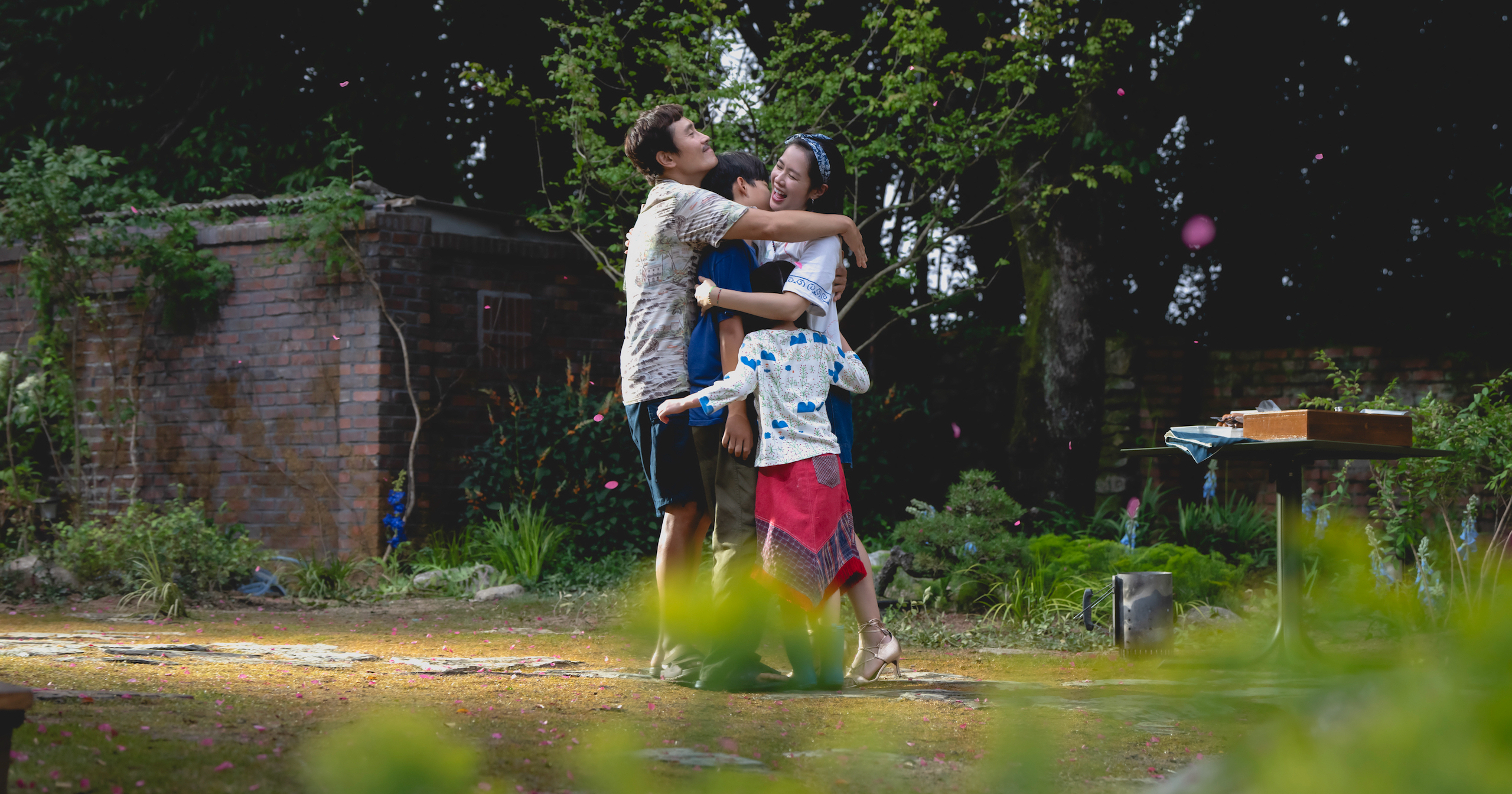
Man-su, a specialist in paper manufacturing with 25 years of experience, is so satisfied with life that he can truthfully tell himself, "I’ve got it all." While happily passing his days with his wife Miri, their two children, and two dogs, Man-su is suddenly informed by his company that he has been fired. Feeling as if his head has been severed by an axe, Man-su vows to find a new job within the next three months for the sake of his family. Despite his firm resolve to turn his life around, Man-su spends over a year drifting from one job interview to another, eventually working in a retail store. He finds himself in danger of losing the very house he struggled so hard to buy. Desperate, he visits Moon Paper unannounced and tries to hand over his CV, only to be humiliated by line manager Sun-chul. Man-su knows he is more qualified than anyone to work at Moon Paper, so he comes to a certain decision: If there is no opening for me, I’ll just have to get hired by creating an opening. screenplay Park Chan-wook Lee Kyoung-mi Don Mckellar Jahye Lee cinematography Kim Woo-hyung editing Kim Sang-beom Kim Ho-bin music Cho Young-wuk sound Kim Suk Won production design Ryu Seong-hie costumes Cho Sang-kyung cast Lee Byung-hun (Man-Su) Son Ye-jin (Miri) Park Hee-soon (Sun-Chul) Lee Sung-min (Bummo) Yeom Hye-ran (Ara) Cha Seung-won (Sijo) producers Park Chan-wook Back Jisun Michèle Ray Gavras Alexandre Gavras production Moho Film in association with KG Productions world sales CJ ENM – Claire Bhang bokyeong.bhang@cj.net www.cjenm.com Italian distribution Lucky Red in collaboration with Sky Cinema a.tieri@luckyred.it www.luckyred.it "Some time ago, I read a novel called The Ax. I picked it up because it was written by Donald E. Westlake, who wrote the novel behind Point Blank, one of my all-time favourite films. When reading The Ax, I found myself identifying with the protagonist — a man who believes that paper manufacturing is his entire life, whether the world acknowledges it or not. I feel the same way about filmmaking, so I could easily understand the protagonist who believes there is a certain way the head of a family and a man should be, and lives his life accordingly. After all, I’m also a man with a family of my own. But back then, I had no idea it would take me twenty years to make this film." (Park Chan-wook) Park Chan-wook established his reputation as a leading Korean director in the year 2000, with his Joint Security Area, followed by Sympathy for Mr. Vengeance, the first part of his Vengeance Trilogy, in 2002. He would shoot to global fame with his next title, Oldboy (2003), winner of the Grand Prix at Cannes. In the years since, he has continued to receive worldwide acclaim,

NO OTHER CHOICE2025-11-24T18:45:39+01:00