LONDON RULES

At MI5 headquarters Regent’s Park, First Desk Claude Whelan is learning his job the hard way. Tasked with protecting the prime minister, he’s facing attack from all directions: from the showboating MP who orchestrated the Brexit vote; from the showboat’s wife, a tabloid columnist, who’s crucifying Whelan in print; and especially from his own deputy, Lady Di Taverner, who’s alert for Claude’s every stumble. Meanwhile, the country’s being rocked by an apparently random string of terror attacks, and the slow horses are about to rediscover their greatest strength – that of making a bad situation much, much worse. Mick Herron has become one of the most critically acclaimed and popular novelists in the genre over the last decade.  He has become even more widely known (including in Italy) since  the 2022 launch of Slow Horses, the highly acclaimed, UK made, Apple TV+ funded, television adaption of his Slough House spy story saga. A recently completed new series, based on his earlier crime thriller series, Down Cemetery Road has also just landed on Apple TV+. Herron’s prolific and powerful output reflects the great legacy and traditions of British spy fiction, echoing the milieu and themes of Graham Greene, Eric Ambler and John Le Carre. However, he brings a unique and distinctive perspective to the genre, not only through his incorporation of contemporary events and politics into his subject matter but his use of black comic satire and a very English wit in the savagely funny dialogue uttered by his band of dysfunctional spy outcasts. This piece is a brief overview of Herron‘s career to date, particularly for the benefit of Italian readers, who don’t necessarily have access to all of Herron’s impressive bibliography. [Adrian Wootton]
LONDON RULES2025-11-26T22:43:02+01:00

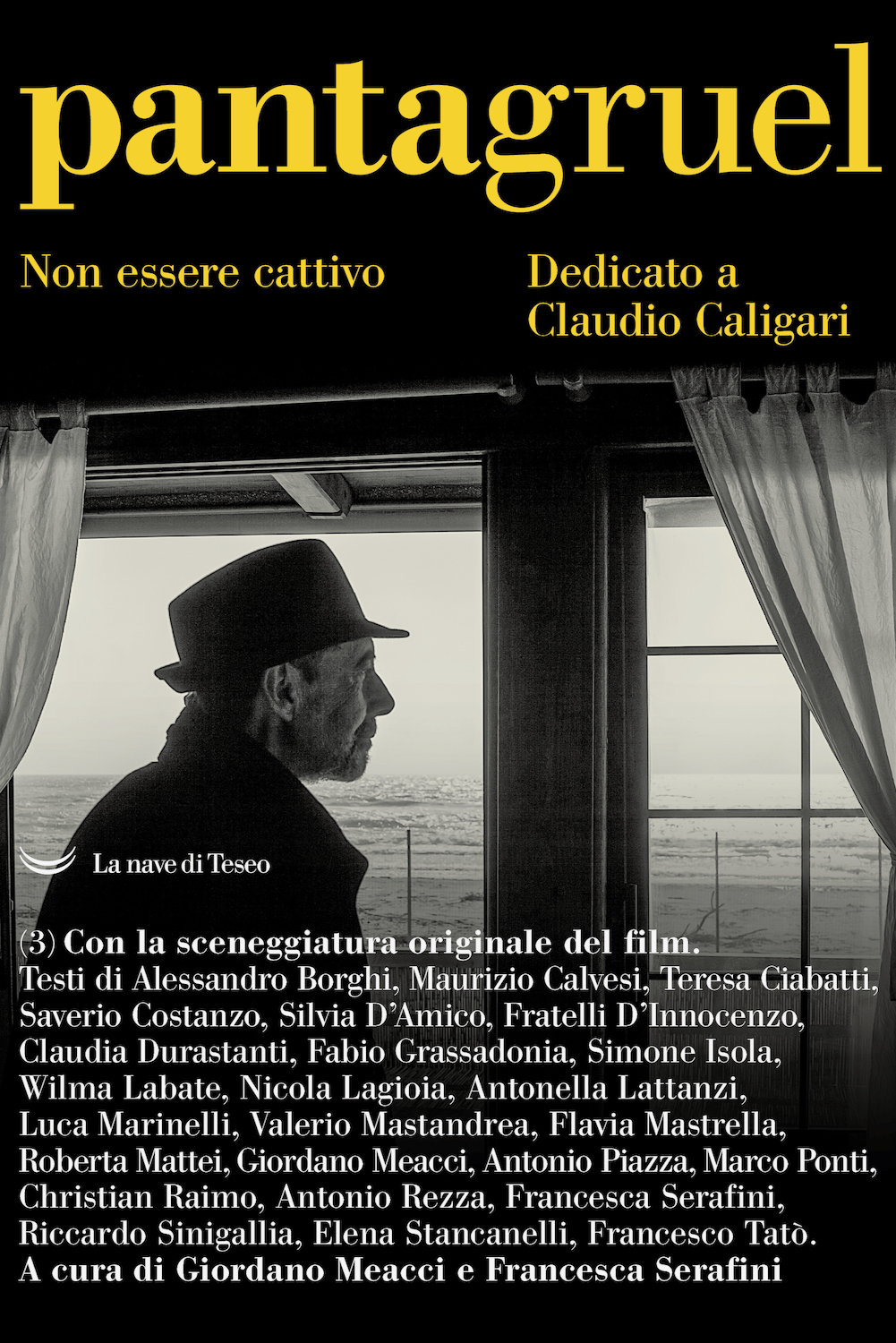
PANTAGRUEL
NON ESSERE CATTIVO
DEDICATO A CLAUDIO CALIGARI

Presentation of the latest issue of the magazine Pantaguel, published by Elisabetta Sgarbi and dedicated to Claudio Caligari, on the tenth anniversary of his death and his last film, Don’t Be Bad. The issue contains the original screenplay of the film and many articles. Edited by Giordano Meacci and Francesca Serafini. Articles by Alessandro Borghi, Maurizio Calvesi, Teresa Ciabatti, Saverio Costanzo, Silvia D’Amico, Fratelli D’Innocenzo, Claudia Durastanti, Fabio Grassadonia, Simone Isola, Wilma Labate, Nicola Lagioia, Antonella Lattanzi, Luca Marinelli, Valerio Mastandrea, Flavia Mastrella, Roberta Mattei, Giordano Meacci, Antonio Piazza, Marco Ponti, Christian Raimo, Antonio Rezza, Francesca Serafini, Riccardo Sinigallia, Elena Stancanelli, and Francesco Tatò. “The version of the screenplay you will find here is in fact the only one. It’s the one approved by Claudio Caligari himself and then transformed, with minimum additions and variations dictated by the needs of the set. It’s the same screenplay fleshed out by the performances of the actors and actresses and the magical lighting during shooting. To talk about where and why variations were made? We thought that would lesson readers’ interest in that active completion of information that we always tried trigger with Claudio, in the audiences that we had in mind, our accomplices in the viewing of the film, as alluded to in the screenplay we were then writing, with a nod to his beloved Pasolini. In the same way, we do not add any lines to the stories in Don’t Be Bad and about Claudio Caligari himself, which you will find here, along with the screenplay. You will find here the accounts of those who took part in the making of the film, and of those who, over time and thanks to the film, found they were part of one big family. The same gang – the Caligari Gang. All we can today today is thank all of them for contributing these first-hand accounts to us, sometime in writing, other times in conversations between them and us, which we then transcribed and making cuts in the editing, as to not interrupt the flow. All of this ten years after that 205 when Caligari’s last film set off to see the world, and be seen. Claudio Caligari’s films speak for themselves. You only need to watch them, listen to them. Read them. Trying, in so far as you are able, not to be bad.” The movie speaks alone, preface to the book by Giordano Meacci and Francesca Serafini.

PANTAGRUEL
NON ESSERE CATTIVO
DEDICATO A CLAUDIO CALIGARI
2025-11-26T22:42:48+01:00

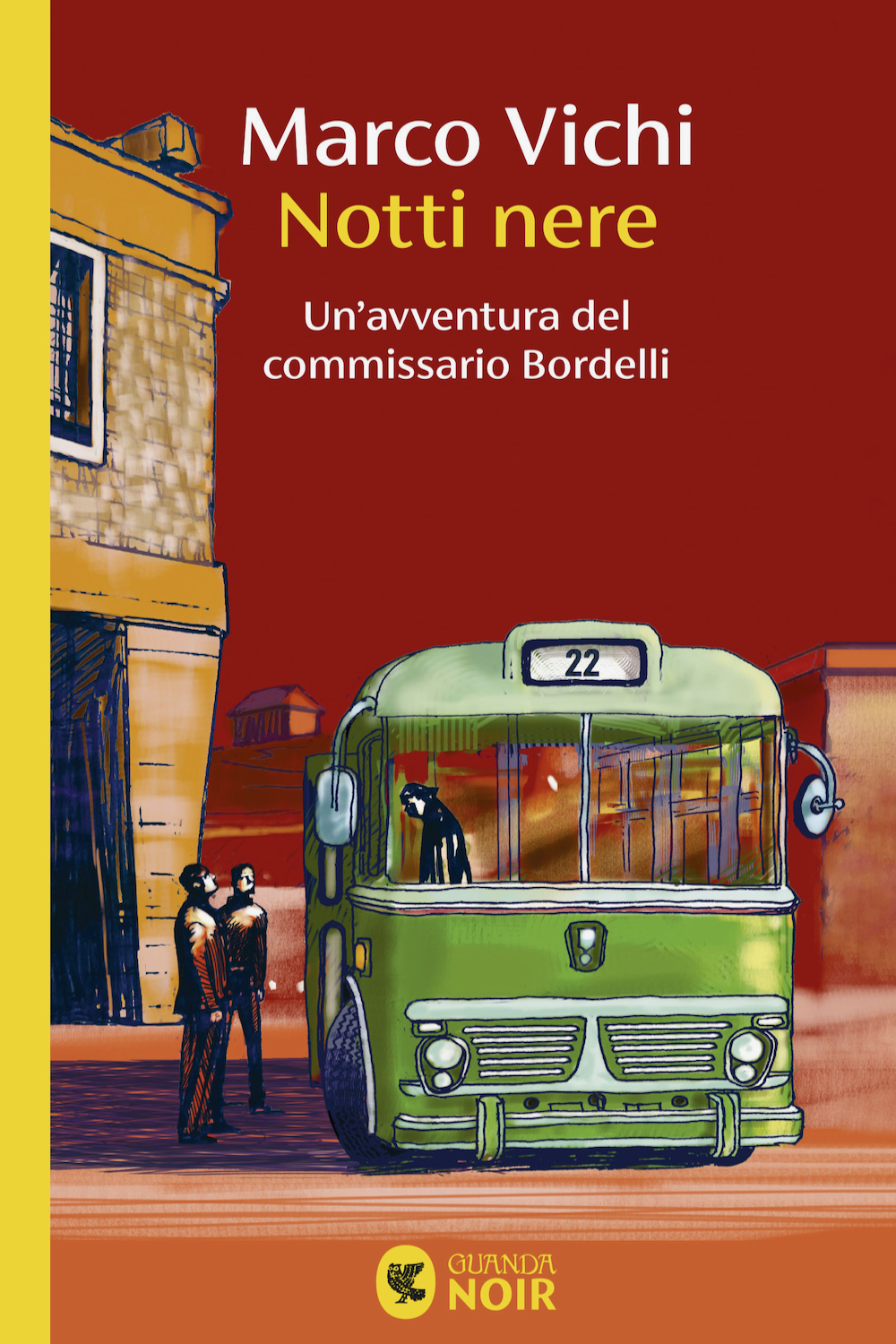
NOTTI NERE

June 1970. Former Inspector Franco Bordelli has been retired for a while now. In theory, he has no work commitments and isn’t out looking for killers, but that isn’t really true. He misses his job a lot: that continual tension that drives him to solve an intricate case, poke around in people’s souls, and put together his intuitions and reflections to obtain justice for those who have been wronged. Bordelli simply can’t give up this passion of his. The only one he can turn to is young Inspector Piras, his right-hand man when he was still working, who involves him in cases while making light of the risks of being found out. And just in the same period, as Bordelli tries to uncover another long-buried truth, his own life will take an unexpected turn. Marco Vichi’s first novel was L’inquilino (Guanda) in 1999. It was only in his third novel, Il commissario Bordelli, in 2002, that the character who would feature in fourteen novels and various short stories, including Notti nere, would appear. All of them were set in the late 1950s and the 1960s. In 2003, Vichi edited a volume for Fazi that contained a number of tributes to John Fante; and he also wrote a documentary on the same author, directed by Giovanna Di Lello. That year, he started holding writing workshops in various Italian cities, and until 2009, Vichi worked for the degree program in Media and Journalism, held at the University of Florence. His novel Il nuovo venuto (2004) won the Fedeli Award. Four years later, Vichi won multiple awards for Morte a Firenze (Guanda), among them the Scerbanenco Award and the Camaiore Award. In 2010, with Morte a Firenze (Guanda), Inspector Bordelli made his comic book debut, thanks to illustrations by Werther Dell’Edera. More recently, in 2022, Guanda brought out Non tutto è perduto, the eleventh adventure of Inspector Bordelli, and the novel Ombre. The twelfth and thirteen installments on Bordelli came out in 2023 and 2024: Nulla si distrugge and Meglio di niente. 2024 also saw the publication of Il ritorno. This year, Vichi is back with Notti nere and Occhi di bambina.

NOTTI NERE2025-11-26T22:42:36+01:00

LA CURVA DELL’OBLIO

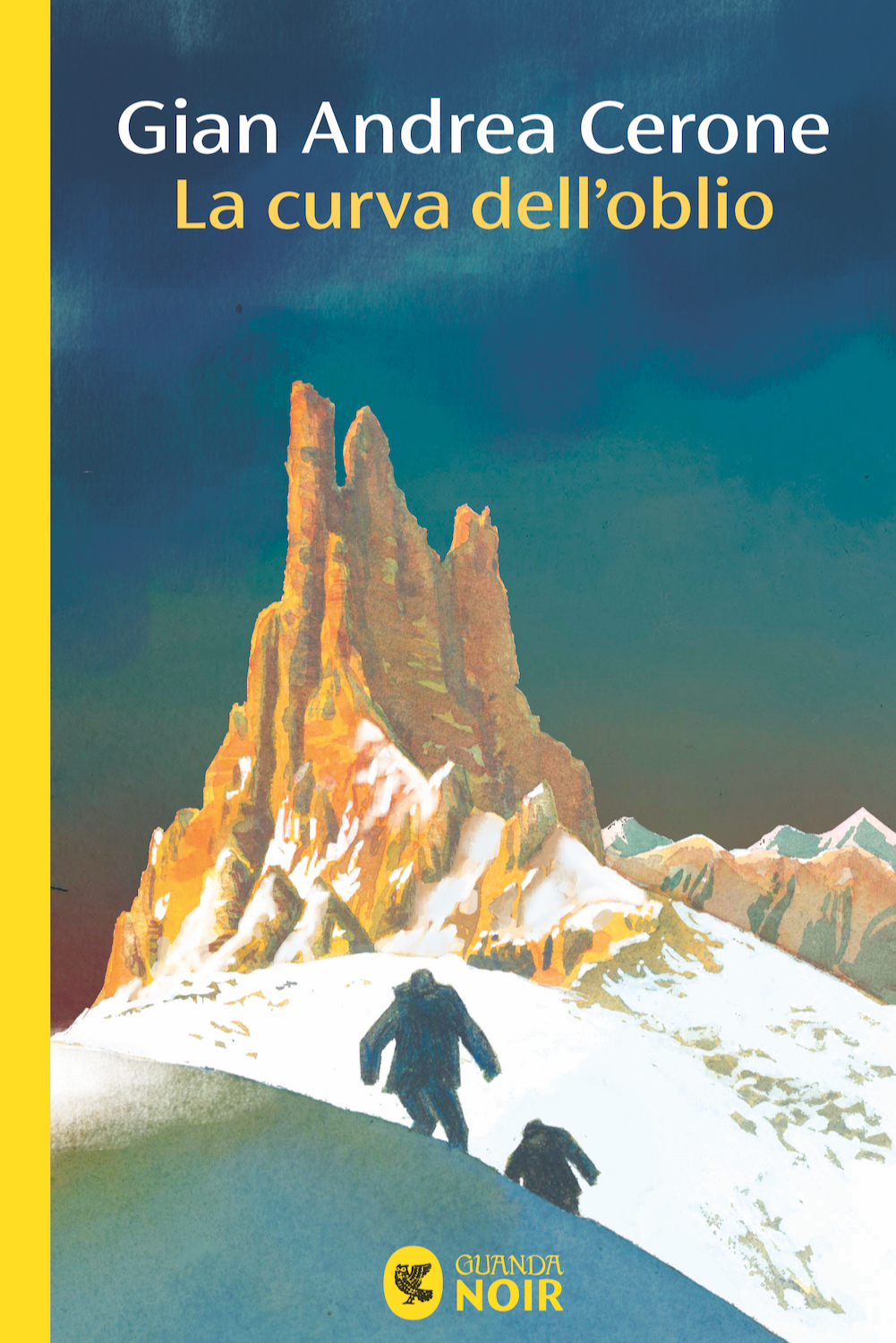
A meticulous killer is on the loose in a freezing Milan in January. Disturbingly, his brutal murders follow careful rituals inspired by the medical world: one man is stabbed with a scalpel; another is found bleeding to death, surrounded by bags containing his own blood. Next to each of them, the inevitable mark of the serial killer: a black and white photo of a rare species of rose. As soon as the UACV team starts in on the case, Mandelli and Casalegno get swept up in another investigation: someone very powerful wants to see an old cold case reopened, and it’s handed to them, the two best investigators out there. Between Milan and the val di Fassa, the two cases run parallel, and while the team gets closer and closer to cracking the first, Mandelli and Casalegno discover shocking truths about a series of killings that took place ten years earlier. Gian Andrea Cerone, born in Savona but a long-time Milan resident, has worked in communications, traditional publishing, television, and all things digital. He was in charge of institutional relations at the Ministry of Economic Development and the 2015 EXPO. In 2018, he founded the editorial platform of podcasts called Storielibere. In 2022, Guanda published his first novel, Le notti senza sonno, the first of four in a series that follows the investigative squad of the Violent Crime Analysis Unit of Milan. It was shortlisted for the Scerbanenco Award and won the Franco Fedeli Award for crime stories. His more recent titles are Il trattamento del silenzio (2023) and Le conseguenze del male (2024).

LA CURVA DELL’OBLIO2025-11-26T22:42:21+01:00

LA COLPA È DI CHI MUORE

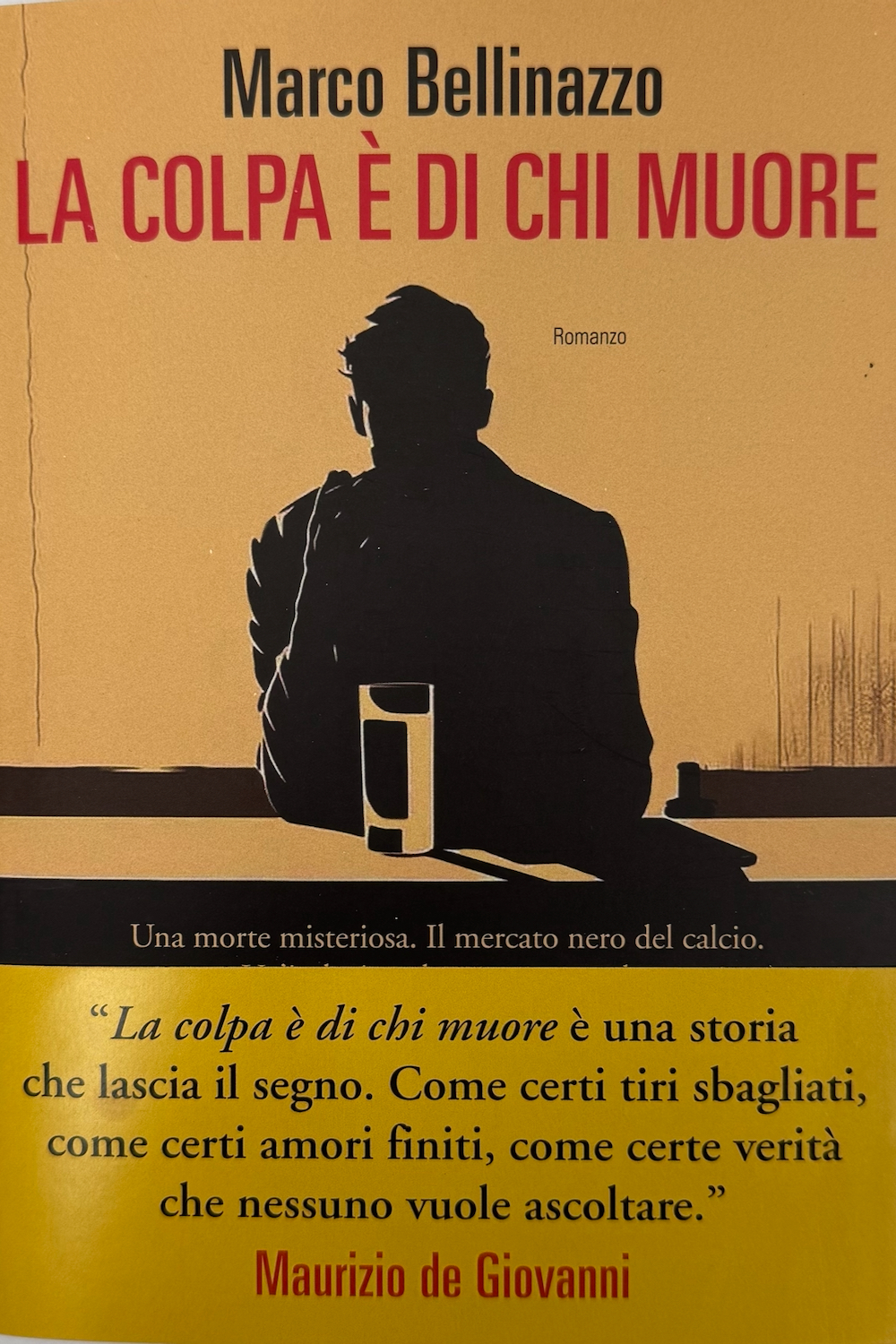
When Dante Millesi, a founder of the website Calcio & Dintorni, happens to read an item about a body being found in Lake Lugano, it takes him no time to conclude that this is one of those stories that a rigorous and desperate reporter like himself not only has to report on, but needs to. For Millesi, born in Naples’ Rione Sanità, a kid who dreamed of playing for Napoli alongside Maradona, that news item resonates with a sorrow he thought was dead and buried, and a sense of guilt that cannot be assuaged. So it is that in a series of not too chance coincidences, Millesi launches into an investigation inside the investigation, gradually shedding light on the connections, the corruption, and the betrayals that often doom talent to succumb, due to the greed of unscrupulous criminals, murderers, and devourers of one’s dreams. And, in his own way, he’ll rebel against the inevitable and end up sacrificing himself. Marco Bellinazzo is a journalist and author. After receiving a law degree from the Università Federico II, since 2004 he has worked for Il Sole 24 Ore. An expert on economics, finance, and geopolitics, he concentrates on the business revolving around soccer and sports in general. An opinion writer for Radio 24 and the leading national broadcasters, his blog Calcio & Business has been a point of reference for professionals and sports fans ever since 2012. His publications include: Il Napoli di Maradona (Mondadori 2012); Goal Economy (Baldini e Castoldi 2015, the Calcio Figc/Antonio Ghirelli National Literary Award); I veri padroni del calcio (Feltrinelli 2017); La fine del calcio italiano (Feltrinelli, 2018); and Le nuove guerre del calcio (Feltrinelli 2022, the Selezione Bancarella Sport Award).

LA COLPA È DI CHI MUORE2025-11-26T22:42:07+01:00

L’OROLOGIAIO DI BREST

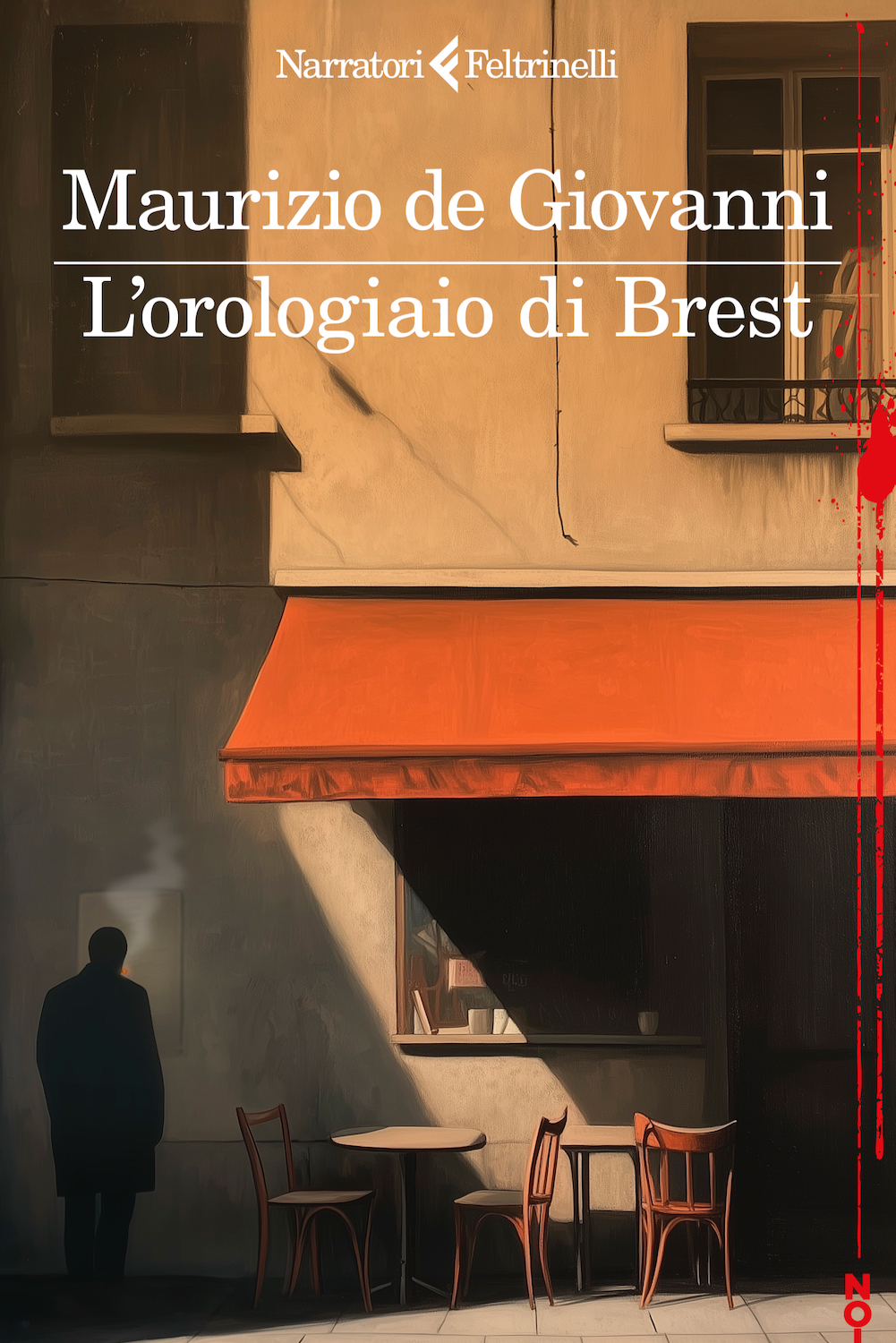
For some people, time is a race that never stops. For others, slow, uncertain steps. For a few, time has stopped forever. And the history of Italy is a broken thread: a clock that has stopped in the bloody Years of Lead. In this immobility, Vera Coen and Andrea Malchiodi have immersed themselves. There’s a bond between them, over an act of violence four decades earlier: a trauma from her distant past that rewrites his own. From that moment on, everything changes for Andrea. So begins an investigation into the mists of time for the Italian Republic, hunting down the mysterious “man of the clockwork”. The tape rewinds to the early 1980s, caught between the last outbursts of armed resistance and the dawn of an age which says it is new, yet is dominated by the same old figures and their status quo. In 2007 Maurizio De Giovanni attracted the attention of Italy’s literary scene after winning an award, thanks to a novel set in Naples in the 1930s and featuring a police commissioner, Luigi Alfredo Ricciardi: Il senso del dolore (I Will Have Vengeance), published by Fandango and republished, starting in 2012, by Einaudi, along with the entire series. Thus began his highly popular series that with the 2024 Volver, counts fifteen novels to date, plus several stories in the short story collections Giochi criminali (Einaudi, 2014), L’omicidio Carosino. Le prime indagini del commissario Ricciardi (Centoautori, 2017), and L’ultimo passo di tango (Rizzoli, 2017). The saga was turned into a popular TV series. In 2012, De Giovanni won the Scerbanenco Award for The Crocodile (Mondadori), which introduced Inspector Lojacono, co-protagonist of another hit book series as well, set in contemporary Naples: The Bastards of Pizzofalcone. This last added a new chapter in 2024: Pioggia per i bastardi di Pizzofalcone, and it also became a popular TV series starring Alessandro Gassmann and Carolina Crescentini. With a more recent novel, Sara al tramonto, De Giovanni created another character, a former secret service agent, now retired, with the gift of invisibility and a talent for stealing people’s secrets. This series of novels was also turned into a Netflix series starring Teresa Saponangelo and Claudia Gerini. There are also myriad comics and graphic novels based on the author’s works. 

L’OROLOGIAIO DI BREST2025-11-27T15:37:19+01:00

L’ORA DEI PREDATORI

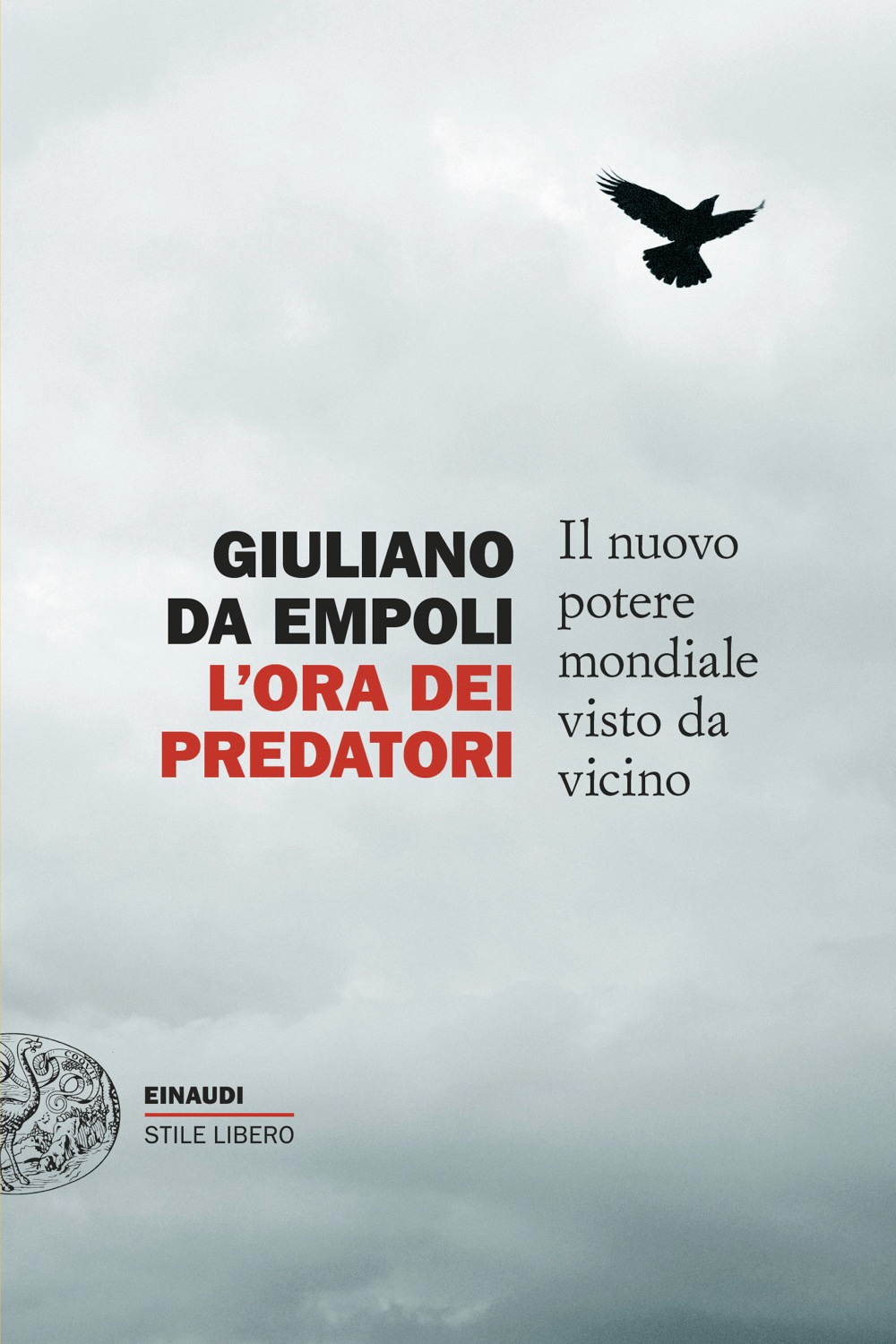
From New York to the Middle East and from the UN building to the Hotel Ritz-Carlton in Riyadh, Giuliano da Empoli takes the reader on a series of incursions into territories where power is based on showmanship, the calculated use of information, and the ability to generate continual shock waves. The predators have figured out how to exploit the new world order, and chaos is their natural environment. With the subtle pleasure of the polemicist and the lucidity of the anthropologist, da Empoli treats us to withering portraits of contemporary leaders, from Trump to Muhammad bin Salman, and delivers a dire analysis of the political moment. Giuliano da Empoli grew up in several European countries, graduated with a law degree from the Sapienza University in Rome, and obtained a Master’s in political science at the Institute of Political Studies in Paris, where he lives and works, teaching at Sciences Po. He has been an advisor to Antonio Maccanico at the Ministry of Communications and, later, director of the contemporary art archives at the Venice Biennale. In 2016, he founded the think tank Volta, which is active in Italy and Europe and is a member of the Global Progress Network. Starting in 1996, he has contributed regularly to several Italian newspapers such as il Corriere della Sera, la Repubblica, Il Sole 24 ore, and Il Riformista. For Radio 24, he conducted the program Sua Eccellenza and has appeared frequently on national television networks as an author and opinionist. Da Empoli wrote his first book at age twenty-two, Un grande futuro dietro di noi. Since then, he has written many more books analyzing social mobility, social evolution and change, and the impact of the new economy and its social and political consequences. In 2019, he penned Gli ingegneri del caos (Marsilio). Three years later, he made his debut as a novelist with Il mago del Cremlino (Mondadori), which was adapted for the screen this year by filmmaker Olivier Assayas and bowed at the Venice Film Festival.

L’ORA DEI PREDATORI2025-11-26T22:41:41+01:00

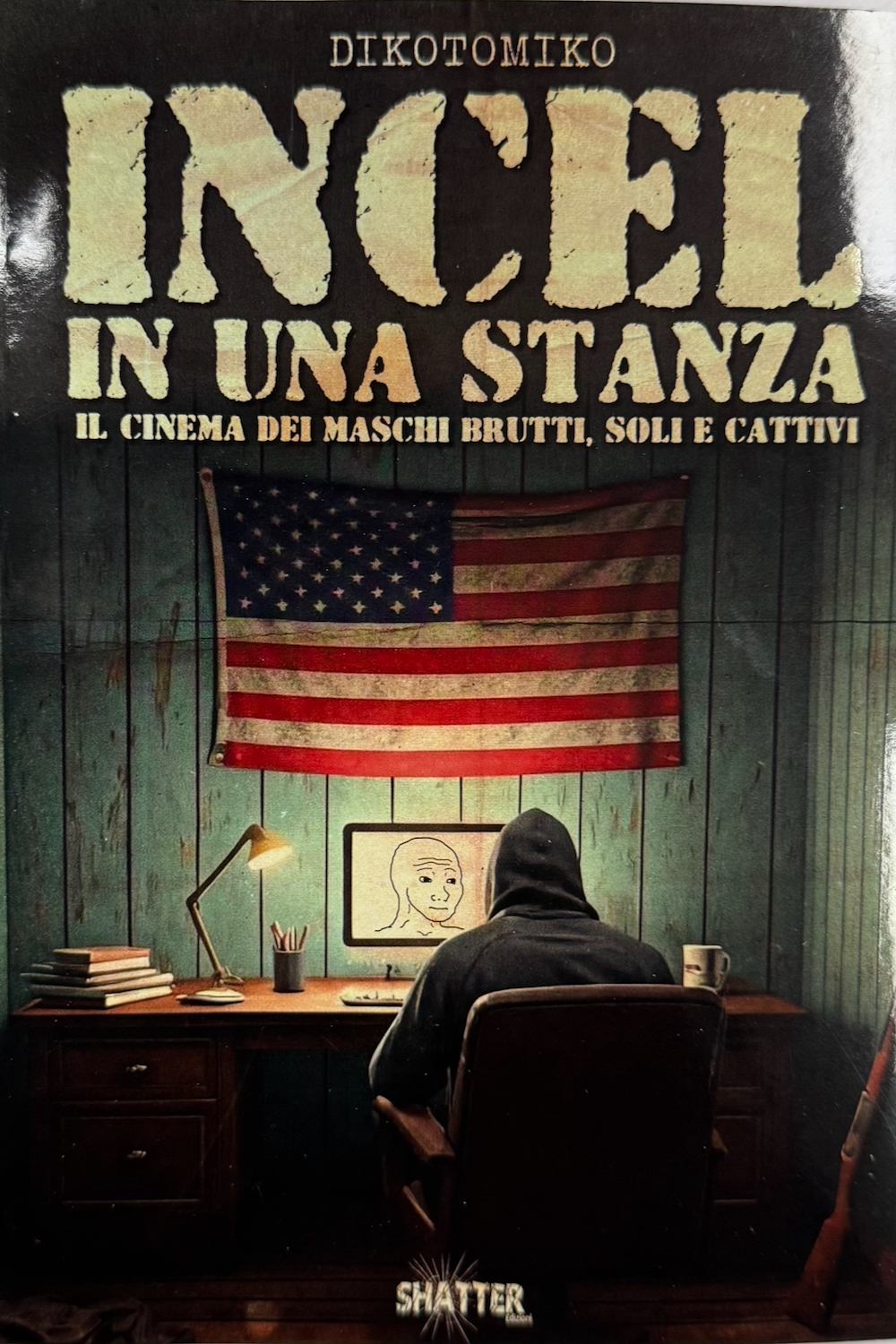
INCEL IN UNA STANZA

The figure known as ‘Incel’ (INvoluntary CELibate), referring to men rejected by women, frustrated, angry, and withdrawn – and a digital subculture, by now – is analyzed in a unique study that strikes off in search of representations and self-representations of the incels on the big screen and in daily life. The survey starts with Taxi Driver, touches on the attempt on Trump’s life, for instance, and goes all the way to Adolescence, discovering multimedia trends way out of control. Dikotomiko is a micro-collective made up of Massimiliano Martiradonna and Mirco Moretti, a hundred and ten years old, between them: never young and born and raised to be survivors. ‘Dikotomiko’, but with two k’s, as in the student protest occupations, and a pseudonym so they can stay anonymous, going in the opposite direction of wild urges for visibility that are a dime a dozen. Dikotomiko collaborates with Taranto’s Monsters – Fantastic Film Festival, Turin’s ToHorror, the cult magazines Nocturno and Uzak, and publishing houses in the genre. It has already published Lo specchio nero. I sovranismi sullo schermo dal 2001 a oggi (DOTS, 2019) and Black Fears Matter! – Viaggio nel Black Horror Contemporaneo (Les Flaneurs, 2023).

INCEL IN UNA STANZA2025-11-26T22:41:24+01:00

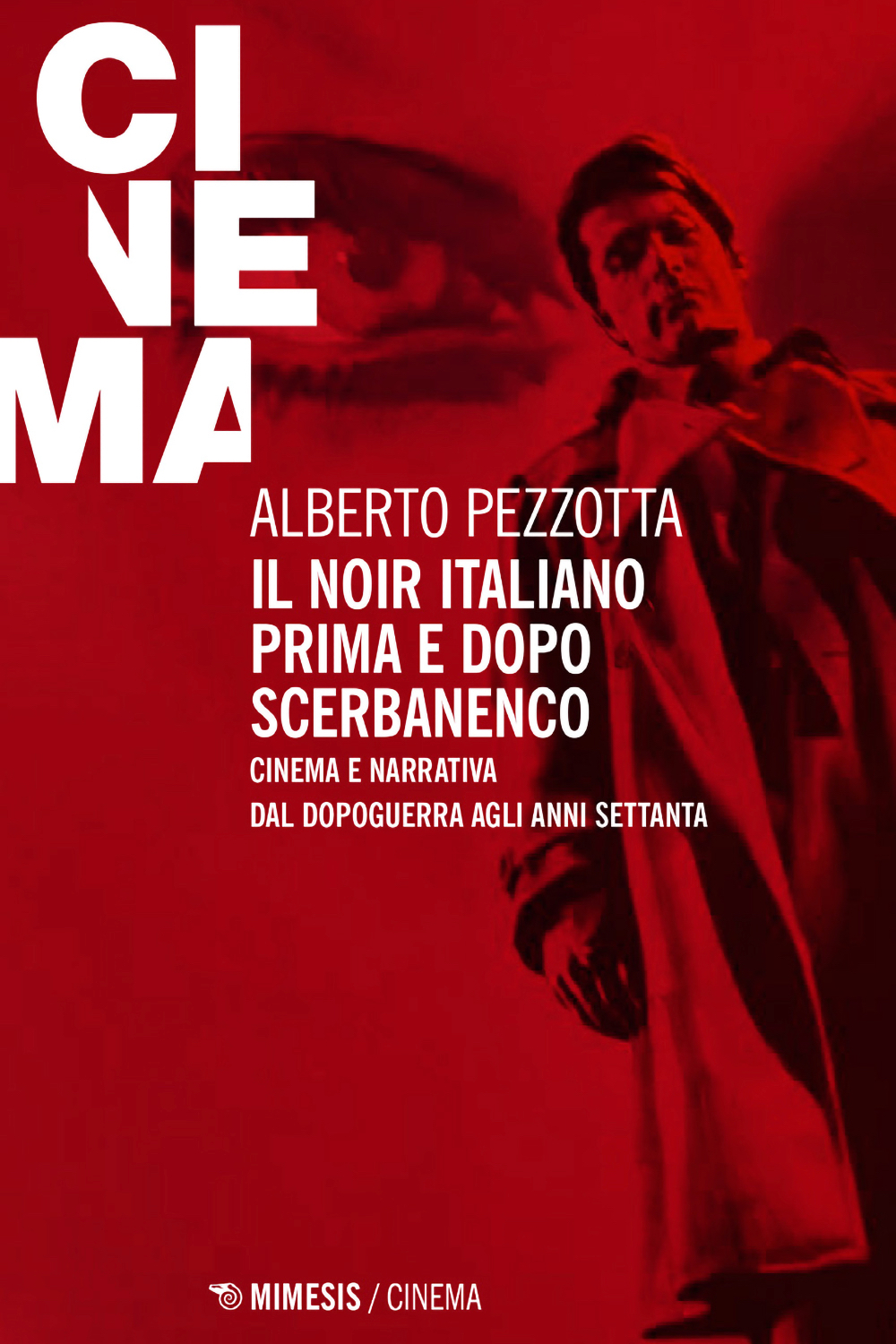
IL NOIR ITALIANO PRIMA E DOPO SCERBANENCO

After the Second World War, the mystery story – giallo, in Italian – became a tool for representing Italian society, giving its needs and its fears a voice. A transmedia genre with profound and complex ramifications, it would give rise to any number of adaptations from the page to the screen. Its territory overlapped with that of the “cop story” and with what, by the 1930s, was already being called “black”. Over the course of the decades, it would become fertile ground for experimentation, where situations never before represented could be expressed in narrative. In this reconstruction, the novels by Scerbanenco play a central role, albeit not an exclusive one. His output of mysteries spanned decades and blended with other genres until they it became emblematic of the transformations in the public sphere and the cultural industry. And yet, with A Private Venus, in 1966, something new occurred: the advent of an Italian giallo that was imbued with realism was declared. Scerbanenco’s oeuvre, moreover, had stronger and more continuous ties to cinema than works by Italian mystery writers previously, thus influencing, directly or indirectly, the evolution of the film genre in the 1970s, in particular the crime movie. Alberto Pezzotta teaches at IULM University in Milan. He has written studies of Italian film (Ridere civilmente. Il cinema di Luigi Zampa; Il western italiano; Regia Damiano Damiani; and Mario Bava; also co-editing, with Stefania Parigi, Il lungo respiro di Brunello Rondi); histories of film criticism (La critica cinematografica and his co-editing, with Anna Gilardelli, of Alberto Moravia, Cinema italiano. Recensioni e interventi 1933-1990); and Asian cinema (Tutto il cinema di Hong Kong). He contributed to Storia del cinema mondiale by Gian Piero Brunetta and Storia del cinema italiano by the CSC, as well as the magazines Bianco e Nero, Imago, 8 1/2, and L'avventura.

IL NOIR ITALIANO PRIMA E DOPO SCERBANENCO2025-11-26T22:41:11+01:00

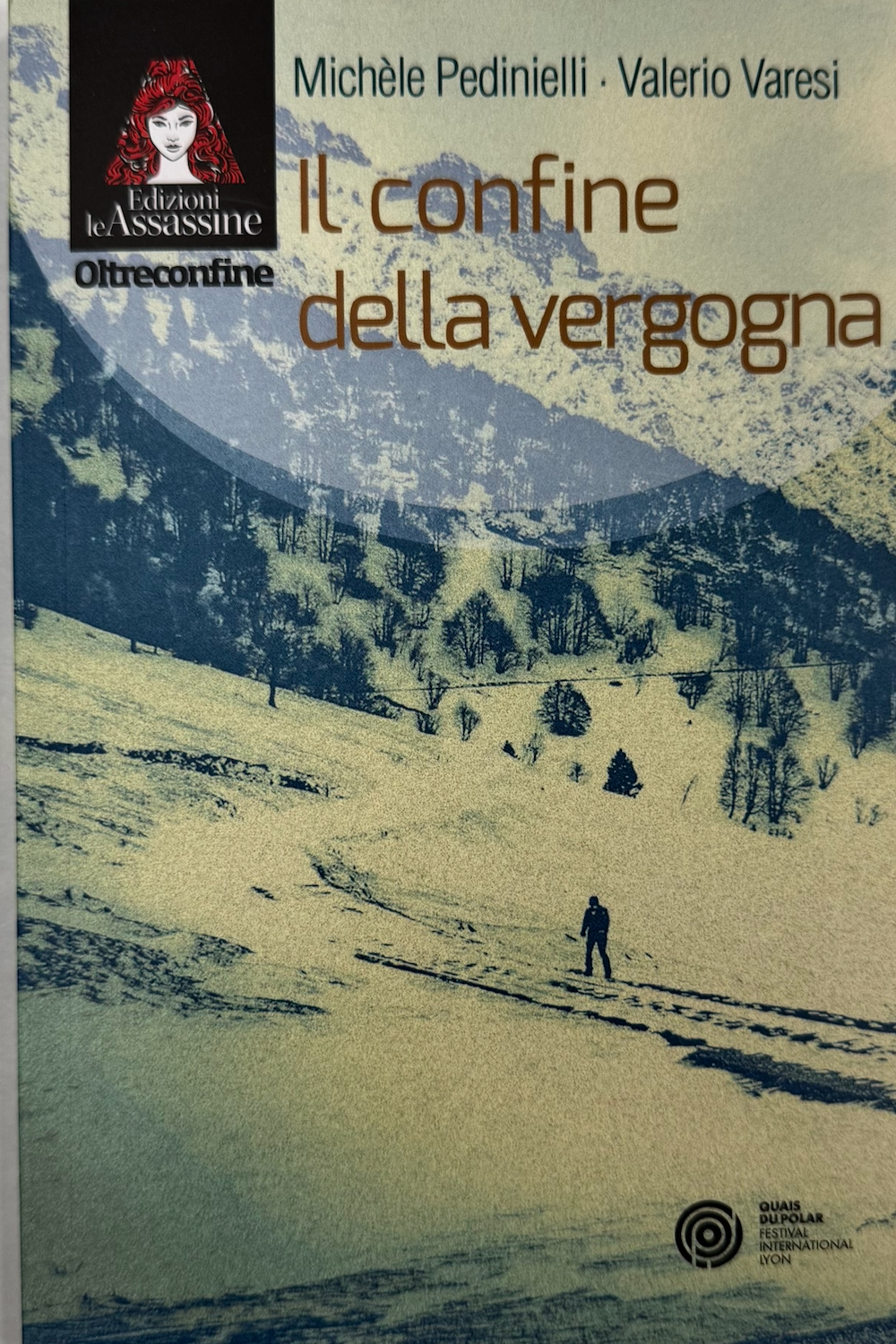
IL CONFINE DELLA VERGOGNA

Leonardo Morandi, a Franco-Italian smuggler, is found dead in the Alps. His face is disfigured, and identifying the victim is difficult, at first: the only clue is a receipt from a shop in Bardonecchia for the purchase of a rather expensive down jacket that can withstand the intense cold. His body is found by a French hiker, Jean Pelissier. In the meantime, a young burkinabé who is oddly trying to cross back into Italy after finally realizing his dream of making it across the border, is found half-frozen at a high altitude. He will explain that his group was hunted and captured by the French border forces waiting for him, very likely after having been tipped off. The investigation conducted by a police inspector in Lyon uncovers a large-scale smuggling operation of cigarettes from Albania, but there’s more: in parallel, the main business is none other than human trafficking. To connect all the dots and solve the case of what is going on the Alpine border between Italy and France is not an easy job, and the police forces of both countries will be forced to collaborate, even though surprises are in store on both sides of the border. Michèle Pedinielli, born in Nice but with roots in Italy and Corsica, was a journalist for fifteen years. She currently contributes to the website retronews.fr and to books about history and the BNF, as well as the podcast Séries noires à la Une. Her first novel, Boccanera, was awarded the 2019 Lion Noir at the Festival of Crime Novels in Neuilly-Plaisance. In May 2019, she published Après les chiens, a new case handled by Ghjulia Boccanera. This was followed by La patience de l’immortelle (Special Jury Prize at Évêché 2022), Sans collier (2023), and Un seul œil (2025). Valerio Varesi was born in Turin, lives in Parma, and works at the Bologna office of la Repubblica. An eclectic novelist, he created Inspector Soneri, protagonist of crime novels that inspired the three seasons of the TV series Fog and Crimes, starring Luca Barbareschi. His Inspector Soneri novels have been translated around the world, and the installment È solo l’inizio won the special hundredth-anniversary edition of the Giorgio Scerbanenco Award in 2011. Varesi has also authored a personal overview of history, La presenza e Il rivoluzionario, published by Frassinelli, which the sequel, Lo stato di ebbrezza, brings up to the present day. His novel Il labirinto di ghiaccio was published by Mondadori in 2023. Il confine della vergogna grew out of a partnering between Pedinielli and Varesi, based on an idea hatched by the Quais du Polar Festival and Edizioni Points, for a campaign spotlighting Lyon and Milan as UNESCO Creative Cities of Literature. This is a case of collaborative writing, in the manner of “excellent cadavers”, in which the two authors took turns writing the chapters, and the main characters hint at the cultural differences between the two countries, in a reciprocal effort to raise awareness of

IL CONFINE DELLA VERGOGNA2025-11-26T22:40:59+01:00