presented by Giorgio Gosetti
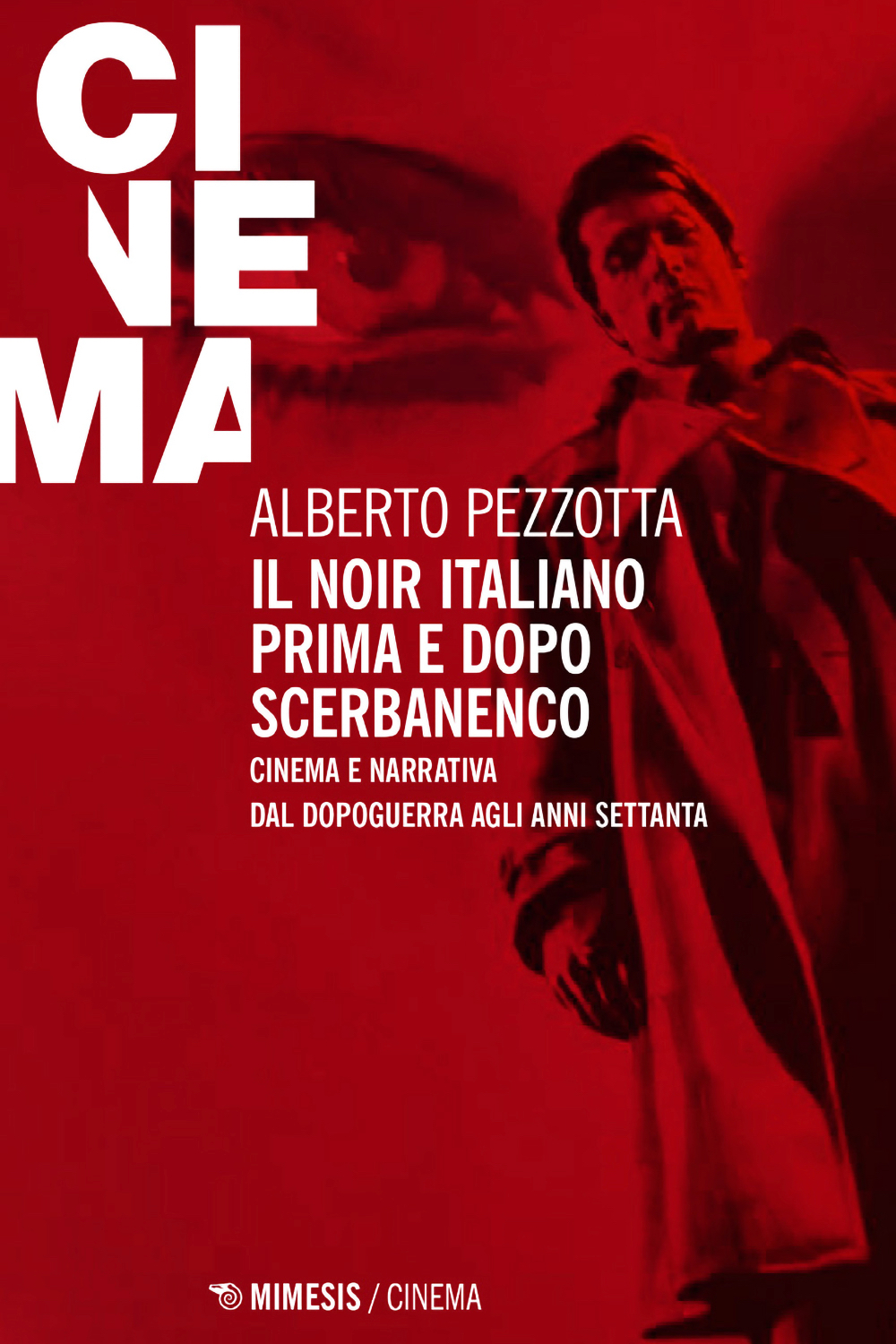
After the Second World War, the mystery story – giallo, in Italian – became a tool for representing Italian society, giving its needs and its fears a voice. A transmedia genre with profound and complex ramifications, it would give rise to any number of adaptations from the page to the screen. Its territory overlapped with that of the “cop story” and with what, by the 1930s, was already being called “black”. Over the course of the decades, it would become fertile ground for experimentation, where situations never before represented could be expressed in narrative. In this reconstruction, the novels by Scerbanenco play a central role, albeit not an exclusive one. His output of mysteries spanned decades and blended with other genres until they it became emblematic of the transformations in the public sphere and the cultural industry. And yet, with A Private Venus, in 1966, something new occurred: the advent of an Italian giallo that was imbued with realism was declared. Scerbanenco’s oeuvre, moreover, had stronger and more continuous ties to cinema than works by Italian mystery writers previously, thus influencing, directly or indirectly, the evolution of the film genre in the 1970s, in particular the crime movie.
Alberto Pezzotta teaches at IULM University in Milan. He has written studies of Italian film (Ridere civilmente. Il cinema di Luigi Zampa; Il western italiano; Regia Damiano Damiani; and Mario Bava; also co-editing, with Stefania Parigi, Il lungo respiro di Brunello Rondi); histories of film criticism (La critica cinematografica and his co-editing, with Anna Gilardelli, of Alberto Moravia, Cinema italiano. Recensioni e interventi 1933-1990); and Asian cinema (Tutto il cinema di Hong Kong). He contributed to Storia del cinema mondiale by Gian Piero Brunetta and Storia del cinema italiano by the CSC, as well as the magazines Bianco e Nero, Imago, 8 1/2, and L’avventura.

